
'A real contribution' - Tyne Rivers Trust praise clean-up volunteers but warn of further long term issues

The CEO of the Tyne Rivers Trust has said “it is far too early to know the full environmental consequences” of the Port of Tyne nurdle spill.
The Tyne Rivers Trust has warned that the plastic pellet spill affecting the River Tyne and North East coastline must be treated as a long-term ecological issue, as well as an immediate clean-up challenge.
The environmental charity, which is dedicated to protecting and improving the River, says the full consequences for fish, wildlife and river habitats may take months or years to understand.


Plastic pellets, known as nurdles, spilled into the river following a collision at the Port of Tyne on Sunday, July 19.
Nurdles began washing up on beaches across the North East the following day.
Sophia Stovall, Chief Executive Officer of Tyne Rivers Trust, said: “It is far too early to know the full environmental consequences of this incident, but experience from other major nurdle spills suggests it is unlikely to be remembered solely as a short-term clean-up problem.
“Nurdles are extremely difficult to recover completely once they enter a river or marine environment. They can be transported by tides, currents and wind, become trapped within habitats and continue to move through the river, estuary and coastline long after the initial incident.”
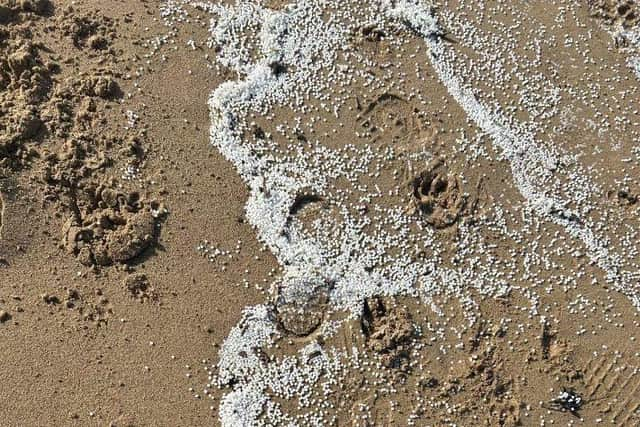
However, the trust has praised efforts from volunteers and local residents to support the clean-up. On Tuesday, July 28 South Tyneside Council issued advice on how to assist authorities to remove plastic.
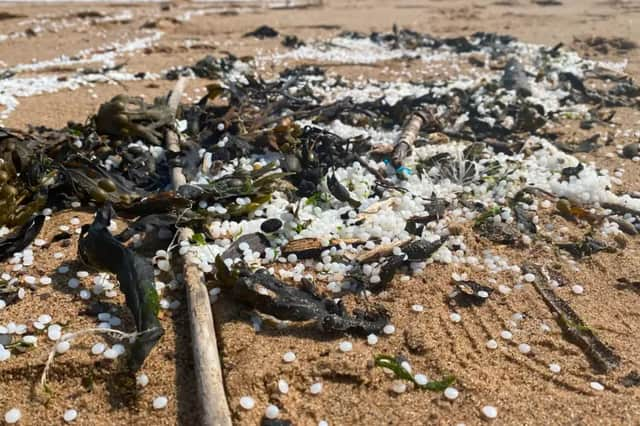
Sophia continued: “The response from communities across the North East has been remarkable.
“People have given up their time to help protect the Tyne, our coastline and local wildlife. Every pellet removed is one less pellet in the environment, and volunteers are making a real contribution to reducing the potential for further harm.
“It is important that this work remains safe and coordinated. We would not advise people to enter the river to recover nurdles, and anyone wishing to help should follow the latest guidance from the relevant local authority.”
Because of the tiday nature of the Tyne, pellets may be found out towards its eastern end at South Shields and North Shields in addition to further inland, where the river continues into Northumberland.