
Nuisance police caller fined after claiming in one call she wanted to be with her dead dog
A South Tyneside woman told police she wanted to be with her dead dog in one of three nuisance calls made while drunk, a court heard.
Elizabeth Trump, 35, made the bizarre remark while speaking to a Northumbria Police call handler on Wednesday, October 30 (2024).

Trump, of Grindleford Court, Harton Moor, South Shields, also made unwarranted contact while intoxicated on Wednesday, October 9, and a week later.
During all offences, she was subject to a community protection notice (CPN), which forbade her from contacting police except under certain circumstances.
It also compelled her to reveal her location and to stay there unless her immediate circumstances were changing.
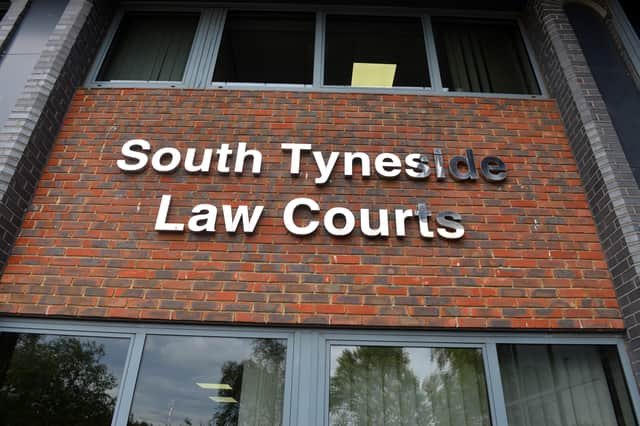
At South Tyneside Magistrates’ Court, Trump pleaded guilty to three counts of failing to comply with a CPN.
She did so by acting in an abusive manner and re-contacting the emergency service when she should not.
Prosecutor John Garside said: “On October 9 she contacted police to state that she couldn’t state why she had contacted the service. She then became abusive.
“On October 16, she didn’t provide her location and stated that she didn’t need help from the emergency services.
“On October 30, she again contacted the police. The police describe her as saying that she wanted to be with her dead dog, and she wanted to be with her dad.
“Again, she didn’t describe her location. The defendant hasn’t been interviewed about these offences at all. She comes before the court with no previous convictions.”
When asked by District Judge Zoe Passfield why she had committed the offences, Trump, who defended herself in court, said it had been due to alcohol.
She insisted she was no longer drinking, adding of her crimes: “No excuse really.”
Judge Passfield sentenced Trump to a 12-month conditional discharge for each offence, with £85 court costs and a £26 victim surcharge.
She told her: “I give you full credit for your guilty pleas, you’ve not been to court before and they haven’t been committed again.
“If I see you back in court in the next 12 months, these will be brought up again and I’ll have to look at these in a different way.”