
Government’s nature chief issues urgent warning as £13m wildlife scheme shows success in North East

The Government’s leading figure on nature conservation has warned that "time is running out fast" to reverse the decline in wildlife, as new results from a £13 million conservation scheme demonstrate that effective action can make a difference for threatened species.
The Species Recovery Programme Capital Grants Scheme, managed by Natural England, ran from August 2023 to March 2025 and supported targeted conservation efforts across the country. The scheme aimed to aid the recovery of more than 150 species teetering on the edge of national extinction through habitat creation, captive breeding, species translocation, and research.
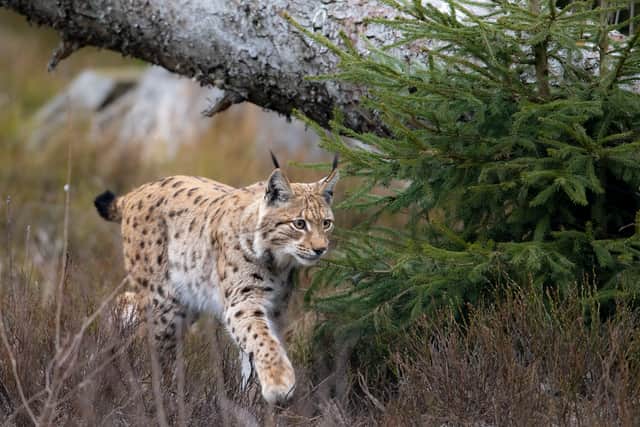

The programme’s successes include the first red-billed chough chick to fledge in Kent in over two centuries, the reintroduction of black grouse to the North Yorkshire Moors, and the return of the large marsh grasshopper to the Norfolk Broads after an 85-year absence. Additional efforts saw adder tunnels built in Berkshire, buildings in Sussex adapted for bat breeding, and the first recorded natural propagation of lady’s slipper orchids in Yorkshire.
A total of 63 projects were funded, from Cornwall’s Lizard Peninsula to Cumbria and Northumberland, in partnership with 78 organisations. The initiative enhanced 2,400 hectares of wildlife-rich habitat and implemented measures such as 143 "leaky dams" to support species like Atlantic salmon and white-clawed crayfish while improving water quality and reducing flood risks.
More than 15,000 animals and plants were translocated to expand species' ranges, and over 12,000 individuals—including mammals, birds, and invertebrates—were bred in captivity.
“A rising number of nature recovery projects, both large and small, are making a huge difference up and down the country,” Mr Juniper said. “The success of this programme is an example of how much we can do when we take a joined up, collaborative approach to restoring the natural world.
“We know we can turn round species decline and improve ecosystems with the right targeted actions, the drive and the funding. But time is running out fast – turning round nature’s decline needs to be a collective endeavour, so this is not just the preserve of dedicated specialists.
“Nature recovery work needs more projects, more volunteers and more money to flow from all sources, particularly the private sector. It will also need to go hand in hand with improved environmental quality, including through reduced pollution.”
Natural England chair Tony Juniper said the scheme’s success proves nature recovery is possible. However, he stressed the need for increased funding, more projects, and greater involvement from volunteers and the private sector. He also called for broader environmental improvements, including pollution reduction.
The Government is expected to publish a revised Environmental Improvement Plan this autumn, aimed at meeting legally binding green targets. Juniper described the upcoming plan as a “key moment,” urging greater ambition for restoring species lost in England. He emphasised that habitat creation and reintroductions could significantly improve ecosystem health.
Natural England is also releasing a new guide detailing recovery actions for over 1,000 of England’s most threatened species, including the small pearl-bordered fritillary, corncrake, natterjack toad, and rare lichens.
Richard Benwell, chief executive of the Wildlife and Countryside Link coalition of conservation groups, said: “Today’s results prove species conservation works – but it’s still run on a shoestring, with short-term pots of money far from enough to halt nature’s decline. Government must boost public funding and mandate private investment to multiply this impact tenfold.
“The new environmental improvement plan should also lock in a long-term pipeline of funding for species and the habitats they rely on, combining public and private finance to turn one-off wins into lasting recovery.”