
How South Tynesiders can stay safe on the roads this winter

North East Ambulance Service is joining emergency service and highways partners during Road Safety Week to share practical advice on how to stay safe on the roads during darker nights and challenging winter weather, with 2.7 million people across the North East at risk.
North East Ambulance Service (NEAS) is joining emergency service and highways partners during Road Safety Week to share practical advice to help South Tynesiders stay safe on the roads during darker nights and challenging winter weather.
During Road Safety Week (15-21 November), people are being encouraged to prepare for winter journeys and take extra care when travelling in darkness, poor visibility or severe weather and to never drive while distracted, under the influence of alcohol or drugs, or overly tired.
Planning ahead
Paul Purvis, clinical team leader at NEAS, said: “Being winter ready means planning ahead and making sure you and your vehicle are prepared before you travel.
“Check the weather and road conditions, make sure your tyres and lights are in good condition and give yourself extra time. If severe weather is forecast, consider whether your journey is necessary.
“Darkness and poor weather can make hazards harder to see, so everyone using the roads should take extra care. Cyclists, pedestrians and runners should also make themselves as visible as possible by using appropriate lights and wearing bright or reflective clothing.”
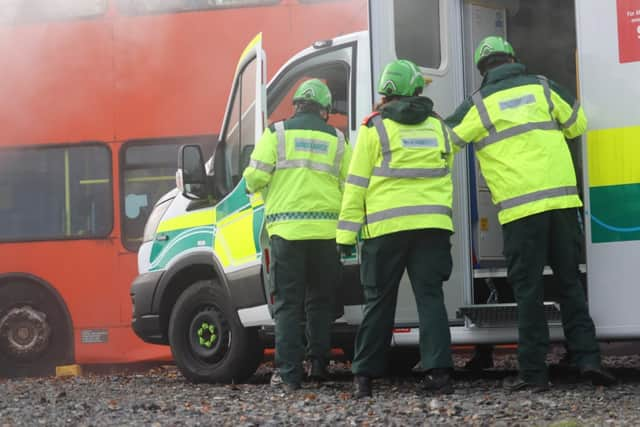
NEAS serves 2.7 million people across 3,230 square miles of the North East and works closely with police, fire, National Highways and other partners to share safety advice and respond to serious incidents on the region’s roads.

National Highways, which maintains and manages 670 miles of motorways and A roads across North East and Yorkshire, is encouraging motorists to follow its T.R.I.P. campaign and carry out simple checks before travelling, including checking tyres and essential fluids and planning journeys in advance.
If a vehicle breaks down, drivers should stop in a safe place where possible, use their hazard warning lights and move away from passing traffic if it is safe to do so. On motorways, follow official safety guidance and contact National Highways or the emergency services when necessary.
“Winter brings darker days, slippery roads and unpredictable conditions”
Inspector Phil Patterson, of Northumbria Police, said: “Winter brings darker days, slippery roads and unpredictable conditions. Drivers should reduce their speed where appropriate, allow more time for their journey and remain alert for hazards such as black ice.
“Before setting off, fully clear snow and ice from your vehicle and make sure your windscreen is properly defrosted. Keep warm clothing and essential supplies in your car in case you break down.”
Paul Russell, community safety area manager at Tyne and Wear Fire Rescue Service said: “Winter conditions naturally reduce visibility on our roads and increase risks when driving. Add poor vision to this and road users may miss seeing and responding to hazards, including pedestrians on the road or a sudden change in traffic movement.
“Road users should ensure they have regular eye tests and that their eyesight complies with DVSA standards to help keep themselves and others safe on our roads.”
More advice and practical guidance on preparing for winter journeys is available on the NEAS winter safety advice webpage.