
Simple steps South Tynesiders can take to stay well this winter according to NEAS

The North East Ambulance Service is urging South Tynesiders to take simple steps to stay well this winter, including reducing their risk of becoming unwell, recognising the symptoms of flu and other common winter illnesses, and knowing what to do if they become ill.
North East Ambulance Service is urging South Tynesiders to take simple steps to stay well over the coming months after flu-related calls increased by 28% last winter, rising from around 7,300 to 9,300 between October 2025 and February 2026.
Wider demand also increased, with around 22,000 additional 999 and NHS 111 calls, while NEAS continued to help more patients access the most appropriate care for their needs.
Dr Kat Noble, medical director at North East Ambulance Service, said: “Although demand continues to rise, a growing proportion of patients are receiving the care they need without attending an emergency department.
“As we continue to develop the way we care for patients, specially trained clinicians can assess more people over the phone and help find the most appropriate care for their needs. This could mean being supported safely at home or connected with other NHS services where appropriate, helping avoid unnecessary trips to hospital.”
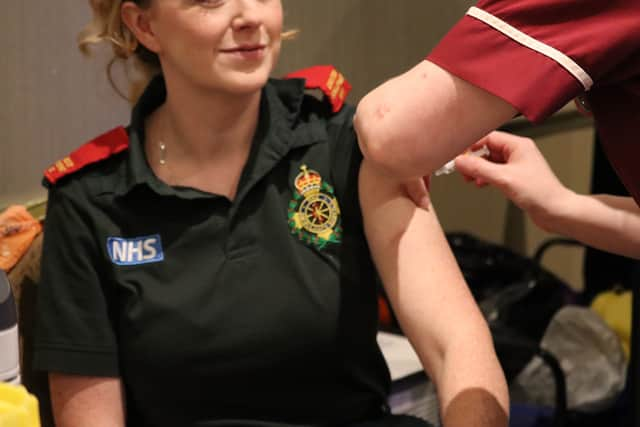

NEAS is encouraging people to prepare for winter by reducing their risk of becoming unwell, recognising the symptoms of flu and other common winter illnesses, and knowing what to do if they become ill.
NHS advice also recommends vaccination, practicing good hand hygiene, keeping essential medicines at home, staying warm and avoiding close contact with vulnerable people when unwell.
Dr Noble continued: “Prevention is an important part of preparing for winter. Getting vaccinated if you’re eligible, recognising the symptoms of winter illnesses and knowing where to turn for help, including your local pharmacist or NHS 111 online, can all help you stay well and make sure emergency care is there for those who need it most.”
Stephanie McCready, senior clinical advisor at NEAS, said: “For most people, flu can be managed at home with rest, plenty of fluids and self-care, but it’s important to keep an eye on your symptoms and seek advice if you’re concerned or you’re getting worse.“
More winter advice is available on the NEAS winter safety advice webpage.