
Kate Osborne MP: It is time to build a more affordable, reliable and integrated transport network
One of the issues constituents have raised most often with me in my role as an MP is public transport.
Whether that is buses not turning up, Metro delays and cancellations, high fares or services that simply do not run often enough, too many people in Jarrow and Gateshead East have felt let down by a network they depend on every day.

These problems didn’t appear overnight. For decades, the North East has seen our transport network diminished: from Tory austerity, to the loss of rail services over the years, to bus deregulation and privatisation, which left communities with less control over the routes and services we rely on.
So the next few years present an important opportunity for our region. We now have a Labour Government committed to investing in the North, alongside North East Mayor Kim McGuinness, who has made improving public transport a major priority. It gives us the chance to rethink our transport system, rebuild connections, improve reliability and properly serve our communities.
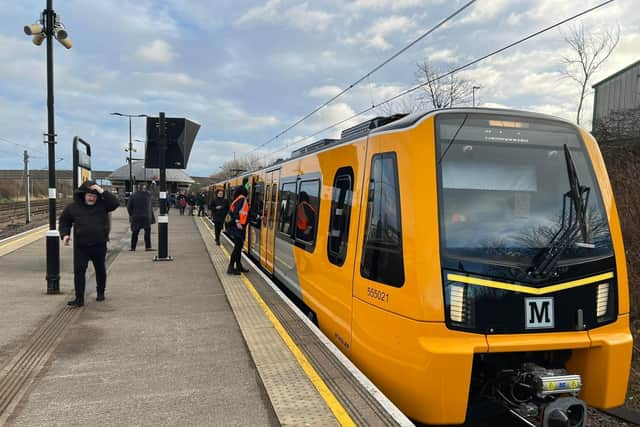
On Tuesday, I met with Nexus at Pelaw Metro to discuss the exciting Metro to Washington extension, which would mean more trains, a new station in my constituency and services towards Newcastle finally on par with the equivalent in London.
The proposed 13-kilometre extension would connect the existing Metro network at Pelaw with Washington before reconnecting at South Hylton. It would use part of the former Leamside Line and include three new stations at Follingsby, Washington North and Washington South, with services currently expected to begin in 2033.
For surrounding communities, this could mean significant investment in our local transport infrastructure, and much better connections.
Pelaw would become an important junction for the new route, meaning changes will be needed to existing infrastructure, including the footbridge, bridleways and access roads. I spoke to Nexus about how important it will be to consult local residents properly as those changes are developed.
But the Metro extension is only one part of a much wider conversation about the future of transport in the North East.
Buses, trains and Metro services all need to work together as one integrated network, which is why the future of our buses is just as important.
Kim McGuinness has asked people across our region for their views on proposals to bring more than 500 bus routes under public control through a Bus Franchising Scheme. The consultation, launched by the North East Mayoral Strategic Authority, runs until 9am on Monday 28 September.
Under the model, public authorities would have greater control over routes, timetables, fares and service standards, while bus operators would continue to run services under contract.
By bringing buses back into public control, we could have a network designed around the needs of passengers and communities, rather than for profit.
Buses remain the most-used form of public transport in the North East, with more than 115 million journeys recorded in 2024/25. Yet, according to the Mayoral Strategic Authority, the network has shrunk by almost a third since 2010, with some services becoming less frequent, losing evening or weekend provision, or being withdrawn altogether.
That decline has consequences. When a service is withdrawn, someone may no longer be able to get to work or school. When an evening bus disappears, it can become harder to get home safely, and when fares rise, people can be priced out of affordable transport.
The proposed franchising model could bring simpler ticketing, more consistent route and timetable planning, better integration between buses, trains and Metro services, and clearer journey information.
People should have their say about the future of a service they depend on every day, and I would encourage all residents to take part before the consultation closes on 28 September.
For too long, investment in our transport network has failed to match the needs and ambitions of our region. But with Labour investing in public transport, we have an opportunity to change that.
From expanding concessionary travel and bringing passenger rail services back into public ownership, to the Government’s new £2 cap on single bus fares from January 2027, we are starting to see a different approach.
Good public transport is ultimately about opportunity: whether someone can get to work, whether children can get to school, whether people can reach healthcare and essential services, and whether communities across our region are properly connected.
It is time to build a more affordable, reliable and integrated transport network fit for the future, and I will continue making the case to ensure Jarrow and Gateshead East is at the heart of it.