
A183 Coast Road cycleway to get new street lighting to boost safety despite wildlife and dark skies fears
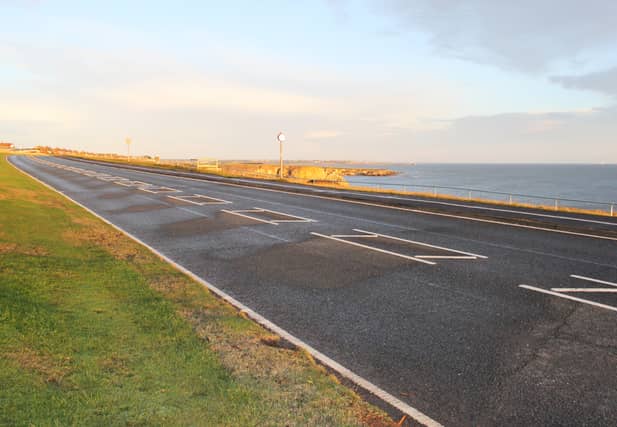

Leading councillors have approved the installation of new street lighting along the A183 Coast Road as part of a cycleway initiative.
South Tyneside Council’s ruling Labour cabinet made the decision this week following “extensive technical assessments and public engagement.”
The project, which forms part of the National Cycle Network Route 1 (NCN1) cycleway scheme, aims to improve safety, accessibility, and year-round usability of one of the borough’s most popular active travel routes.
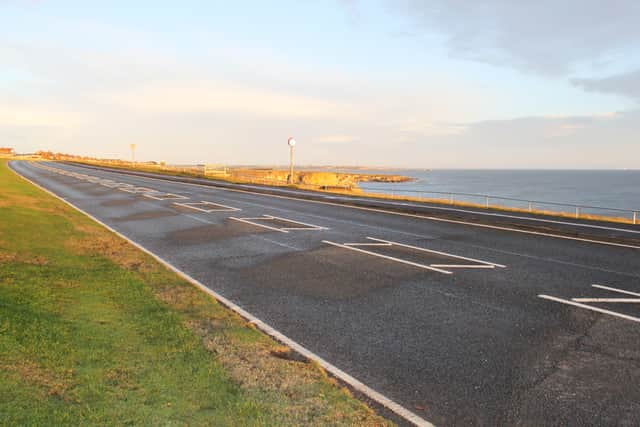
It will see 10-metre lighting columns installed on the west side of the road, with increased spacing and dark-sky compliant lanterns to minimise visual and ecological impact.
The lighting will be dimmed during evening hours to reduce energy use and light spill, in line with the council’s environmental commitments.
Speaking after the meeting, Councillor Ernest Gibson, cabinet member for neighbourhoods and climate change, said: “This is a carefully considered decision that balances the need for public safety with our responsibility to protect the natural environment.
“The NCN1 route is a vital link for cyclists and pedestrians, and improved lighting will make it safer and more accessible, particularly during the darker months.”
The decision follows a comprehensive Road Safety Audit, which officers said identified “clear risks in the absence of street lighting, including reduced visibility and increased risk of collision.”
The scheme also aligns with national design guidance and the need to ensure the public remains safe while using the cycleway, and for road users.
The council has a statutory duty for road safety under the Road Traffic Act and needs to follow the appropriate guidance to help mitigate any incidents on the cycle path or road traffic accidents.
Several residents attended the decision-making meeting at South Shields Town Hall on Wednesday, June 25, with concerns around the proposals, and a spokesman was given the opportunity to share their worries with councillors as an “absolute exception.”
He said: “All of the areas highlighted as an area of concern are already lit… so no benefit would accrue from adding additional lighting.
“The light pollution and light trespass will be much worse than that admitted to.
“Please do the right thing, have the courage to defend the beauty that we have, protect The Leas, protect the wildlife, and protect our dark skies.”
To address concerns raised by residents and stakeholders during the process, the council commissioned independent Lighting Impact Assessments, Ecological Assessments and Habitat Regulation Assessments.
Local authority chiefs said these confirmed the proposed lighting will not significantly affect local wildlife, including bats and migratory birds, or the character of the coastal landscape.
Councillors stressed they listened to residents and worked closely with focus groups to come up with the final scheme and changes had been made to the design to reflect those conversations.
Mitigation measures within the lighting design include the use of International Dark-Sky Association (IDA) approved lanterns and dimming the lights to 50% brightness after 10pm.
They also include strategic placement of columns on the west side of the road to reduce visual intrusion for properties and on The Leas and the installation of lighting shields specifically to light the road and footpath during the hours of darkness.
Speaking at the cabinet meeting, Councillor Jim Foreman, lead member for governance, finance and corporate services, said the project would have “huge benefits.”
He continued: “It’s the safety element which has driven this report and driven… this opportunity that we have to make the Coast Road a safer place for not only cyclists, women and road users, but everyone who takes the opportunity to see the beauty of The Leas.”
Councillor Ruth Berkley, cabinet member for adults, health and independence, added she was supporting the proposal “on the grounds of road safety.”
The scheme is funded through the Government’s ‘Active Travel Funding’ streams, with £1.6 million secured and additional support from the council.
Council chiefs have said they will continue to update residents throughout the installation phase.