
Developers' vision for future of South Shields family home sparks dozens of objections as decision made
Plans for a six-bedroom house in multiple occupation (HMO) in a South Shields neighbourhood, which sparked dozens of public objections, have been blocked by councillors.
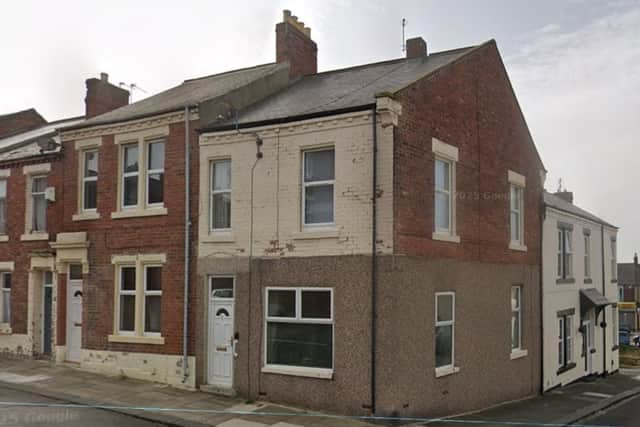
South Tyneside Council’s Planning Committee, at a meeting this week, discussed and voted on plans for 2 Hunter Street in the borough’s Westoe ward.
Developers Kemela Livings Ltd were seeking permission to convert the four-bedroom property from a residential dwelling planning class to a “six-person HMO” with a shared kitchen/dining room.

The application falls against a backdrop of South Tyneside Council’s recent decision to launch an “immediate” borough-wide Article 4 Direction removing permitted development rights for small HMOs, meaning that planning permission is now needed for all HMOs across the borough.
A planning application from developers noted that HMO conversion work started at 2 Hunter Street back in May, 2025, but at the time of the application the work and change of use had not been completed.
A planning statement from developers also said the HMO would be “professionally designed and managed” and aimed at “young working professionals” and that the property would have a “dedicated property manager with a set of guidelines”, covering areas such as preventing antisocial behaviour and property maintenance.
It was argued that the site was “sustainably located” and would “make an efficient use of existing housing stock, providing additional, high-quality accommodation that supports local housing needs without adversely impacting the character of the area or the amenities of neighbouring occupiers”.
Developers also argued that “given the minimal change in the bedrooms […] the comings and goings of six tenants will not be significantly greater than those of a family unit” and that the HMO could be “easily absorbed into the neighbourhood.”
South Tyneside Council’s planning department, in a report published ahead of a decision-making Planning Committee this week, had recommended the HMO for approval.
Council planners said the “greatest weight in deciding this application needs to be given to the NPPF [national planning policy framework] as opposed to local planning policy, given that the application includes housing development and the council’s housing land supply/delivery deficiencies”.
It was noted that the proposal would “provide social and economic gains by contributing to reducing the current shortfall in terms of housing supply” and that “no significant harm or adverse impacts have been identified in respect of visual and residential amenity, biodiversity, highway safety, or in respect of crime/antisocial behaviour/fear of crime and flood risk/drainage.”
During a council public consultation exercise on the plans however, the HMO plan sparked 33 objections raising a number of concerns, ranging from increased antisocial behaviour, to the “overconcentration” of HMOs in the area.
Other concerns included “insufficient parking for another potentially six cars”, highway safety, impacts on property values and more.
The HMO application was called into the Planning Committee by Westoe councillor Paul Brenen and the application was formally discussed by the decision-making panel at South Shields Town Hall on Monday (March 16, 2026).
Council planners, in a presentation to the committee, said the principle of the development was acceptable, that there was no objection on highways grounds and that the council’s licensing regime would “consider the method by which safeguards against crime and antisocial behaviour would be managed”.
While noting that there was one HMO within 100 metres of the application site, and around six HMOs within 400 metres of the property, council planners said the proposed HMO would not be “unacceptable” in terms of “cumulative impact.”
A number of members of the public attended the Planning Committee to speak against the proposal raising a range of concerns about impacts on Hunter Street.
This included the proposed change of use from a family home to a “high-density rental property”, the HMO making existing parking issues worse, waste collection and property management issues and impacts on the “character and balance of the neighbourhood.”
One public objector said the proposal for a HMO at the Hunter Street property was “absolutely ludicrous considering where it is” in terms of existing and emerging HMO developments in the area, parking pressures and parking restrictions.
After being put to the vote, the plans were unanimously rejected by members of the Planning Committee.
Councillor Joan Hamilton agreed there were parking issues and antisocial behaviour issues in the area and raised concerns about whether refuse storage and collection provision was “sufficient” for the development.
Councillor Paul Brenen said the area was already “getting oversaturated by HMOs” and noted there were existing issues around parking availability on Westoe Road, with local residents previously asking for a parking permit scheme to be implemented.
Cllr Brenen added the proposed HMO would “change the character of the local area” with “a lot more comings and goings of residents” and associated impacts around noise and waste.
Councillor Neil Maxwell said the HMO would have “parking implications for the businesses on Westoe Road”, including well-established independent businesses.
Councillor Shirley Ford added the application would harm residential amenity and the character of the area and would create additional parking pressures.
Cllr Ford also criticised the design of the HMO scheme, including proposed cycle storage facilities in the basement of the property.
Meanwhile, councillor Paul Dean questioned the lack of objections from the council’s highways department in relation to the Hunter Street scheme, given the concerns raised by objectors.
Council planners, responding, said many concerns raised were about existing issues and that council planners had to assess the “material difference” between the existing use of the property as a four-bedroom dwelling and the proposed six-bedroom HMO use.
It was noted that the council’s highways authority had not objected to the HMO on this basis, and in the context of the wider area in terms of the site’s “sustainable location” close to bus and Metro services.
The HMO plan was rejected on several grounds agreed by councillors on the Planning Committee, following a refusal motion raised by Cllr Ford.
This included highway safety and parking and the “material harm that this proposal would cause in terms of increased parking demand”.
Other reasons for refusal included the “cumulative impact” of the number of existing HMOs in the area and the new HMO plan changing the character of the local area and residential amenity.
The applicant has the right to challenge the council’s refusal decision by lodging an appeal with the Secretary of State.
For more information on the HMO plan and council decision, visit South Tyneside Council’s planning portal website and search reference: 250777