
Extra £4.1million funding to help fight coronavirus in South Tyneside - but chief fears it won't be enough
South Tyneside Council has been given an additional £4.1million from the government to fight coronavirus – but a council boss has warned more is needed to balance the books.
The government cash has come from an emergency funding pot being shared between councils and fire and rescue authorities.
According to the latest allocations published this week, South Tyneside will receive £4,145,513 after receiving £6,171,973 last month during the first round of funding.
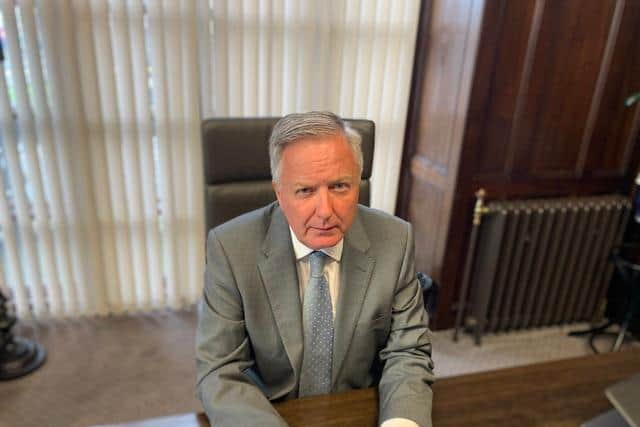

Local Government Secretary Robert Jenrick said the second round of funding had taken the total given to local authorities to help communities through coronavirus to £3.2billion.
However, South Tyneside Council’s leader Iain Malcolm said the formula used to allocate funding has had a “negative impact” on areas such as ours.
He also warned a lack of sustained funding from the government could “plunge local councils into further crisis.”
“While the additional funding is welcome, the reality is it comes nowhere near meeting the true costs of this pandemic,” Coun Malcolm said.
“We have incurred direct and indirect costs as a result of following national government guidance.
“As a result, we have seen increased cost pressures in areas such as adult social care while at the same time we have lost key income streams from areas such as leisure centres which we have had to close.
“Furthermore, the funding has been allocated on a per head basis, rather than on the basis of need which impacts negatively on areas like South Tyneside.”
The council leader has previously written to the government to ask for more cash alongside outlining the financial pressures South Tyneside Council is facing.
Between March and April, the council spent £1.6million responding to coronavirus, while losing around £0.6million of income.
Over the course of the financial year, council bosses estimate the authority may face shortfalls in income of up to £12million.
Coun Malcolm added: “This borough has been at the sharp end of national government budget cuts for the last ten years which meant that when this crisis hit, public services were already chronically underfunded and overstretched.
“Without adequate and sustained government funding this pandemic looks set to plunge local councils into further crisis at a time when they have never been more needed.”