
South Tyneside Council warns of £7m budget black hole and ‘most difficult’ choices yet
Warnings have been issued over the financial pressures facing South Tyneside Council after early modelling suggested savings of at least £7million are needed for next year – and potentially “considerably more.”
The information came as part of a presentation on the current medium term projections for 2026-31 – with one senior councillor noting the financial position features the “most difficult set of circumstances that I’ve seen personally.”
South Tyneside Council finance officers explained current modelling suggests savings of at least £7million will be needed to balance the budget in 2026/27.

However they warned this could be “considerably more” and there is a “serious risk” further savings could be required which “could not be smoothed with reserves especially given in-year pressures.”
They said this is driven by rising demand for statutory services, ongoing economic pressures, and uncertainty around the Government’s Fair Funding Review.
Examples given by officers of potential proposals to achieve additional savings if needed included “significant reductions in many front-line and enabling services with loss of posts” and the “closure of some facilities.”
They added there would be a “greater focus upon statutory services only.”
The presentation went before the latest meeting of the local authority’s overview and scrutiny coordinating call-in committee.
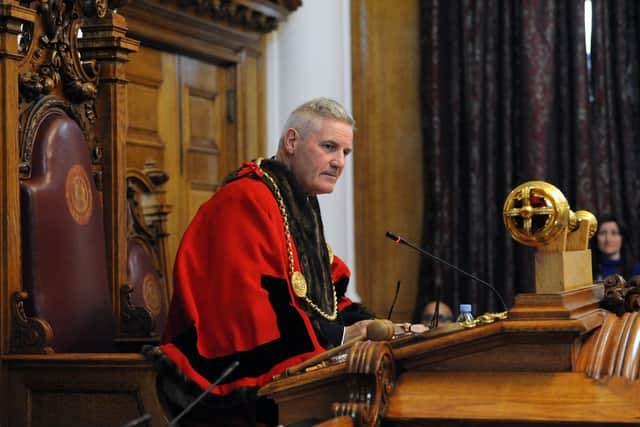
Labour’s Cllr John McCabe, chair of the committee, said the local authority will face “very, very difficult choices” to provide a balanced budget for 2026/27.
Speaking at the meeting, he said: “We’re all aware in our domestic lives of increases in gas, the price of groceries etc.
“There’s no magic wand in these situations, we know that the prices of everything are going up.
“I’ve been on the council 23 years and this is the most difficult set of circumstances that I’ve seen personally.”
He added: “Bear in mind that we’re all here to serve our communities the best that we can, it’s an extremely difficult time, and I don’t think we’ve seen the last of it yet.”
To date, around £5 million in indicative savings have been identified by the council, including a major review of adult social care services, forecast to save £3 million over two years.
Other measures include transformation projects using modern technology and AI tools, expected to deliver over £2 million in efficiencies, and income generation or a reduction in council subsidies across non statutory services like leisure, car parking, school meals, and more.
Finance chiefs stressed they would look at “all options” and highlighted the importance of ensuring there is no overspend for the 2025/26 budget to prevent further reserves being used.
The local authority will have a clearer indication of its financial settlement for next year in November but the final South Tyneside position is not currently expected to be known until December.
The draft medium term financial plan will then be brought forward for consideration in early 2026.
However councillors were warned the ongoing Government Fair Funding review impacts “could be significantly negative” for South Tyneside and it is important contingency planning is happening now.
Council finance officers stressed they have “done a huge amount of lobbying” and they continue to push hard for more funding to be allocated for South Tyneside.
This has included letters from the council leader to local MPs, government ministers and a joint letter from North East Combined Authority areas, supported by the North East mayor.
The meeting heard councils have already had to make significant savings since 2010 due to reductions in central government funding and rising demand for services.
Since 2010, South Tyneside Council has delivered over £210 million in savings across all service areas, while continuing to invest in priority services such as social care, school transport, and community support.
However, the financial landscape remains complex, and further savings will be increasingly difficult to find, according to officers.
The council spends around 80% of its revenue budget delivering services it is required to provide by law – mainly adult and children’s social care, some elements of home to school transport, highways, waste collection and disposal.
However the cost of these statutory functions continues to grow, leaving less and less money to spend on non-statutory services
Council chiefs previously stressed they are committed to targeting resources towards those who need it the most and reshaping services in a way that makes sure they are sustainable in the long term.