
South Tyneside's new plan to help hidden homeless and make rough sleeping rare, brief and not repeated


A new homelessness and rough sleeping strategy focusing on prevention has been agreed in South Tyneside.
The latest borough council meeting in South Tyneside saw councillors agree to the new five-year strategy which aims to ensure homelessness is rare, brief and non-recurring.
It has been shaped by a comprehensive review and extensive consultation with local partners, service providers, and people who have experienced homelessness.
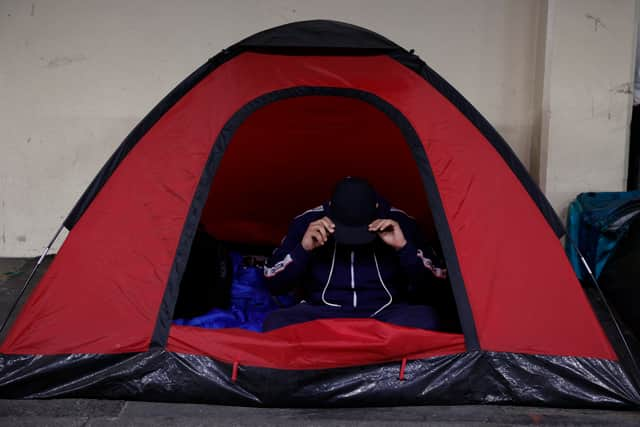
A five-year review from 2019 to 2024 revealed a 36% increase in households seeking housing or homelessness advice from the local authority over the period.
Council chiefs said many of these households do not meet the statutory threshold for support, highlighting the urgent need for a more inclusive and preventative system.
Councillor Jane Carter, deputy council leader, proposing the strategy at the latest full council meeting, said they are working with partner organisations on the issue and carrying out crucial steps around housing and support services.
She added: “We want homelessness and its prevention to be everyone’s business, so that all our partners consider how their work fits into a much wider homelessness prevention system.
“We will continue to enhance this through partnership working and learning from others.
“We continue to commit resources to ensure that rough sleeping is rare, brief and non-recurring and have maintained a low figure of people sleeping rough, though one rough sleeper is still too many.”
Cllr Carter, cabinet member for housing and community safety, added the borough “does not have an entrenched rough sleeper problem but we do have individuals that fall in and out of services.”
She continued: “Preventing rough sleeping remains our goal and we work hard to find a suitable solution swiftly when incidents occur.”
Cllr Chris Davies, Green Group representative, highlighted the issue of sofa surfing and the need for the local authority to carry out work to help those who are “hidden homeless.”
He added: “It is so hard to track that data, we need to get much better at gathering that as best we can.
“Be that getting behind the doors of our estates but also making sure we’re open and accessible amongst the community as much as possible.”
Cllr Phil Brown, independent, said he accepts the council are “wedded and committed to the eradication of homelessness and the eradication of rough sleeping” and stressed it is a key issue to tackle.
He added: “It should be intolerable and insufferable in this day and age that anybody goes to bed hungry or faced with the prospect that in the morning they may not be hungry, but they’re going to be out on the street.”
Cllr Jim Yare, South Tyneside Alliance Group representative, raised awareness of the severe weather emergency protocol, which allows the council to ensure all rough sleepers have the opportunity to access shelter and protection during periods of severe weather.
He also praised the local authority’s housing team for how well they implement this.
The new strategy outlines how the council will strengthen its crisis response, improve access to suitable and affordable housing, make better use of data and intelligence, and expand the reach and quality of advice and support services.
Figures previously presented showed from 2019/20 to 2023/24 presentations for housing and homelessness advice in South Tyneside increased from 2,280 to 3,093.
The statistics also detailed how the council had seen a decline in homelessness applications being triggered over the period, with a 20% reduction from 2019/20 to 2023/24.
However council data shows “in the three years since the Covid-19 pandemic homeless application numbers have been on an upward trend by an average of 8% annually.”