
'We're scared': Flooding, traffic and air quality fears dominate talks on 1,200-home Fellgate development
Concerns have once again been raised around plans for up to 1,200 new homes in Fellgate outlined in a blueprint for future development in the borough.
The worries were voiced during the second stage of public hearings held as part of an independent examination of South Tyneside Council’s proposed local plan.
The document aims to provide a framework for where new homes, businesses, shops and leisure amenities will be built in the borough up until 2040.

It also aims to ensure the right infrastructure, such as roads, health facilities and schools, is in place to support growth.
Despite the local plan twice being rejected by councillors, the Minister of State for Housing and Planning issued an intervention notice directing the council to submit the plan for independent examination in public.
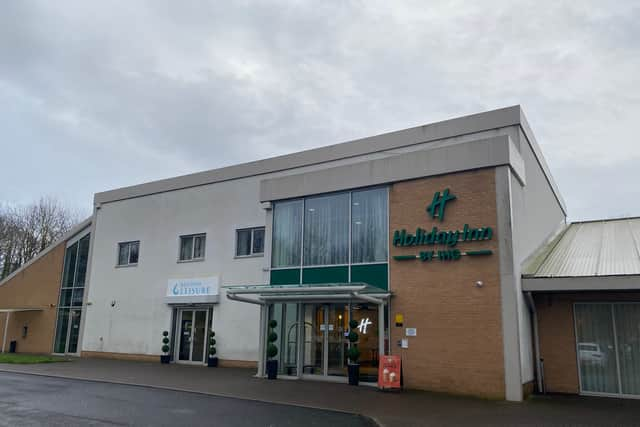
The sessions, at Holiday Inn Newcastle South in Boldon, are to help the inspector determine if the plan is ‘sound’.
The second stage of hearings began on Tuesday, January 13, and concluded on Wednesday, January 21, with one of the sessions discussing plans for land south of Fellgate, which is identified as a Sustainable Growth Area.
The site is allocated for up to 1,200 new homes and supporting community infrastructure, but this has been met with strong objections from residents and the formation of a “Save the Fellgate Green Belt” campaign.
Campaigners previously said if the development was to go ahead it “will have a serious detrimental impact on the current Fellgate and Hedworth community for many, many years to come”.
Dave Green, from the Save the Fellgate Green Belt campaign, spoke at the latest hearings to reiterate concerns over the proposed housing and arguing the site should be removed from the local plan.
He said: “We’re in this as a community to save lives, to have a decent level of living.
“There is massive community spirit on Fellgate, but they’re scared.
“The concerns are the flooding, the sewage issues, air quality, traffic issues, noise pollution, vibration from building sites.”
The session focused on highways concerns and potential impacts on public health, including air quality – with the wider development proposals previously discussed at the stage one hearings held in July last year.
Mr Green added: “It’s the effect that has on the mental health and wellbeing of current residents.
“The extra 1,200 houses will not help that situation, there will be in excess of thousands of extra cars.”
Brian Pierce, also from the Save the Fellgate Green Belt campaign, raised concerns existing traffic problems on roads in the area would worsen if the new homes were built.
He said: “Under the present traffic load we experience regular tailbacks on the A194 at Mill Lane roundabout and White Mare Pool.
“Gridlock will become a daily event, bringing commerce in the borough to its knees and causing major stress and difficulties to emergency services and the public alike.”
Councillor Geraldine Kilgour, Fellgate and Hedworth ward representative, raised concerns the housing development allocated in the local plan “is not deliverable”.
She said: “What we’re looking at is not just the figures of a potential of 1,200 homes, it’s the manifestation of those.”
The Labour councillor also voiced worries that the development wouldn’t provide the housing mix required.
James Quigley from SYSTRA, who supported the council with the preparation of its transport evidence base, said assessment work has been undertaken in regards to traffic and additional highways schemes will be brought forward to support the development.
This includes improvements and mitigation measures at the Mill Lane junction and the White Mare Pool roundabout, which will ensure the network “works at a satisfactory level”.
He added each planning application that comes forward for housing will be required to undertake its own assessments to demonstrate the applicability of the site access junction and the level of mitigation required.
Vanessa Eggleston, from i-Transport, representing Laverick Hall Farm who are promoters of the housing site, said the proposed highway improvement scheme identified at Mill Lane is a “significant enlargement of an existing junction”.
She added: “There is quite a comprehensive package of improvements that are proposed all along the Leam Lane corridor, including at the Mill Lane access junction as well, and that has all been fed into the analysis and has been taken into account.”
The hearing was told the intention would be for the highways improvement works to be paid for by contributions “from a variety of developments from across the borough and with the potential for external funding to also be sought”.
Meanwhile council health chiefs said they don’t consider there will be “any significant public health issues as a result of Fellgate”.
Mary Fairfield, public health practitioner from the council, said: “We are confident that policies from colleagues around the table would mitigate against any of the significant health impacts that may arise.
“In fact we believe there could be some positive benefits from such a development, things like much needed mix of housing, access to good quality transport, pushing of that active travel.”
It was said at the hearing if the housing site remains in the local plan the “earliest delivery would be likely 2030 to 2031” for new properties to come forward.
For more information on the hearings and links to live streams residents can visit https://www.southtyneside.gov.uk/article/24174/Local-Plan-examination.