
Restoration work planned to preserve Campbell Park's St Bede’s Well - one of Tyneside's oldest relics
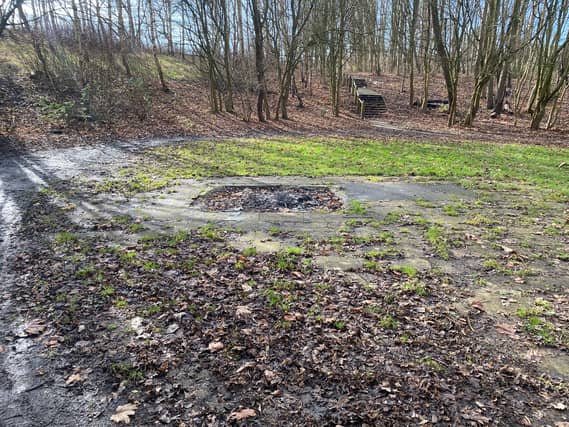

Work is taking place to help preserve and celebrate “one of Tyneside’s oldest relics.”
A three point plan is in place to carry out restoration works at St Bede’s Well which is situated in Campbell Park, also known as Bedeswell Park, and lies on the Hebburn side of the border between Hebburn, Jarrow and Monkton.
This includes installing information boards, fencing off the landmark and protecting the site and restoring the well itself.
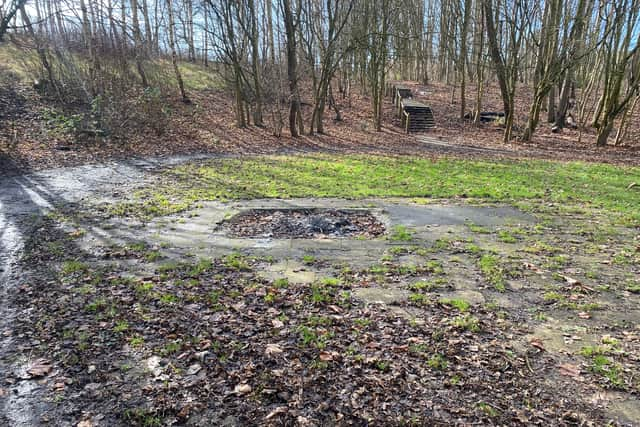
Although named a well, the feature was in fact a spring in a now-culverted ancient waterway.
The proposals have been pulled together by the Friends of St Bede’s Well group, who were set up a number of years ago to look at ways of preserving the site, which now sits in a secluded grassy dip surrounded by large trees.
The group has a partnership agreement with South Tyneside Council regarding the restoration of the well and tidying of the surrounding area.
A presentation on the proposals from representatives of Friends of St Bede’s Well went before the latest meetings of Hebburn and Jarrow Community Area Forums (CAFs).
They noted the site “has a history dating back hundreds of years and perhapseven as far back as the dark ages” and is “a hidden treasure in South Tyneside” as well as being “one of Tyneside’s oldest historical relics.”
Volunteers from the group added the site has “a fascinating history, and we aim to restore it and make it the community asset it should be.”
The ancient water source is named after the famous Jarrow monk who reputedly discovered it and historically it was customary to immerse diseased children in the well to cure ailments or use it as a wishing well.
In the late 19th century the well was in danger of being buried due to the tipping of slag in the area. To prevent this, a brick wall and iron railings were placed around it.
When the slag heap was finally removed the whole area was given a makeover, and over the years the well was preserved – often by local people raising funds – and it was given a grade II listed status in 1949.
The spring previously formed part of the ancient “Burn of St. Bede” which was culverted during the industrial use of the site – though it is understood it still runs underneath.
The burn was filled with material during the extension of Hebburn Docks in 1958 and the site was used for household refuse during the 1970s
The meetings also heard in recent years the “not best kept site” has been vandalised and has been a place for antisocial behaviour.
The representatives from the Friends of St Bede’s Well group noted the first step of the restoration project is nearly complete, which includes creating totem storyboards with historic information and photos to install nearby.
They also thanked the community area forums and local businesses and residents who provided donations and support for the scheme.
Councillor Angela Lamonte, chair of Hebburn CAF, speaking at that meeting, said: “It’s important, this is our local history, we need to take ownership of it and look after it.”