
South Shields vets issues dog heat warning as summer temperatures rise
Westoe Vets in South Shields has issued a heat warning to dog owners as summer temperatures rise.
Dog owners wanting cool canines rather than overheated hounds this summer have been issued top tips by South Tyneside experts to avoid heatstroke in their animals.
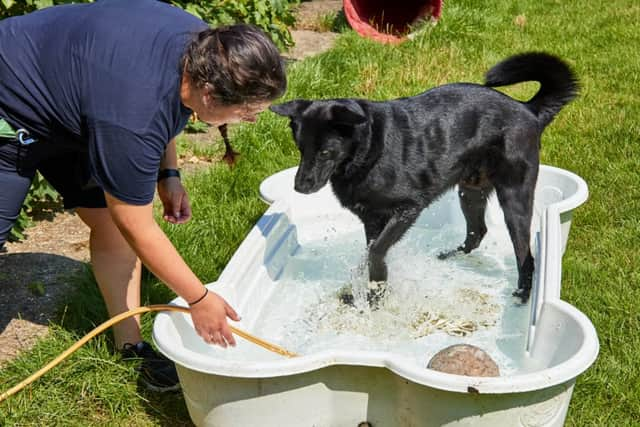

Westoe Vets say it is vital pooches are kept largely in the shade when temperatures rise so man’s best friend does not succumb to the life-threatening condition.
The seven rules to keep your pooch cool
The practice, based in Westoe Road, South Shields, has seven rules of thumb that should give owners pause for thought when looking after their pets, including cats.
Top of its list is for owners to be aware of environments and conditions that significantly increase heatstroke risk, such as hot cars and muzzles that restrict panting.
They should also watch for indicators that their pet is struggling to regulate temperature such as excessive panting, drooling, bright red gums and increased thirst.
And its list of signs of moderate to severe heatstroke includes collapse or weakness, vomiting or diarrhoea, a very fast heart rate and loss of consciousness.
Its warning coincides with the RSPCA revealing its web page with information on heatstroke jumped by 4,800 percent during the recent heatwave.
‘All pets are at risk’
A spokesperson for Westoe Vets said: “Heatstroke is a life‑threatening emergency in dogs and cats. It is fast, severe, and preventable.
“It occurs when the body’s temperature rises faster than it can cool down, leading to organ damage and potentially death.
“Dogs are affected far more commonly than cats, but all pets are at risk.
“There are subtle indicators that the pet is struggling to regulate temperature. Heatstroke progresses rapidly and immediate action is essential.
“Heatstroke can cause organ failure, clotting disorders, and brain swelling. Rapid veterinary intervention is critical.
“If in doubt, an owner should cool their pet with cool water and seek veterinary care immediately.”
Westoe Vets’ risk factors include hot cars, exercise during warm or humid weather, and animals with dark-coloured or long coats being placed in direct sun.
Owners who fear their pet has heatstroke should move them to a cool, shaded and well-ventilated area – and an indoor fan is helpful.
Cool but not ice-cold water can be poured over the body, with focus on the neck, belly, armpits, groin, and paws.
But ice or ice baths must not be used, and water should not be forced into the mouth or a wet towel covering used.
Even if the pet appears to improve, internal damage can continue for hours, so professional veterinary care should be sought.
Owners should also call a vet if their pet collapses, vomits, or appears confused.
This also applies if cooling does not improve symptoms within five minutes and the animal’s temperature remains above 39.5°C after cooling.
‘Heatstroke can be a silent killer’
Extra tips for preventing heat stroke at home include keeping blinds and curtains closed.
Lauren Bennett, dog welfare expert at the RSPCA, said many pets were finding the early summer heat difficult to deal with.
She added: “Heatstroke can be a silent killer, it’s hugely serious in dogs and immediate care is vital. Preventing it is the best way we can keep our pets safe.”