
1 in 5 South Tyneside pensioners experiencing income deprivation, report reveals
A new report has highlighted the financial and health struggles faced by South Tyneside's pensioner population, with 21 per cent experiencing income deprivation and lower life expectancy compared to the national average.
South Tyneside’s fast growing ‘pensioner population’ is not enjoying the good life in old age, a new report has laid bare.
Many are feeling the pinch financially and having fewer years of decent health after retirement than can be expected,
Over 21 per cent of people aged 60 or over - or 8,209 residents - are thought to be experiencing income deprivation, against a national average of 14.2 percent.
Lower life expectancy
And after downing tools at the age of 65, healthy life expectancy is just 8.5 years for men and 8.8 years for women – both below the England average.
Life expectancy overall is also lower by 1.4 years for men – at 17.7 years – and 1.5 years for women, or 20 years.
Even those who want to carry on working are finding it harder to do so than in other locations, South Tyneside’s first State of Ageing Report has revealed.

In 2023, only 3.3 percent of residents aged 65 or over were in employment, the lowest rate in the north east and against a national average of 11.1 percent.
South Tyneside had 32,539 residents aged 65 and over, or 21.5 percent of the population, in 2024 – a jump from 29,073 in 2015, or an increase of 11.9 per cent.
Current projections show there could be 39,850 people in that age group by 2043.
The report’s authors say long-term health inequalities and economic deprivation in the borough are exacerbating the problems people face.
Positives identified
But there are also positives identified, including building on what it found to be already strong – ‘local partnerships, community activity, age-friendly work and the voices of older residents themselves’.
The report is South Tyneside’s first localised version of the national State of Ageing report, published by the Centre for Ageing Better, an independent centre of excellence on ageing and demographic change.
Its national publication set out to look at what later life is like across England for people of a certain age and its local version has been compiled in conjunction with the borough’s council.
“For some ageing in South Tyneside can be a challenge.”
In the report, it says: “The data shows that ageing in South Tyneside brings both strengths and challenges.
“Many older residents contribute to family life, volunteering, community activity and local services.
“At the same time, some people face poorer health, lower income, social isolation or barriers to work.
“For some ageing in South Tyneside can be a challenge. Life expectancy and healthy life expectancy is below that of England’s as a whole.
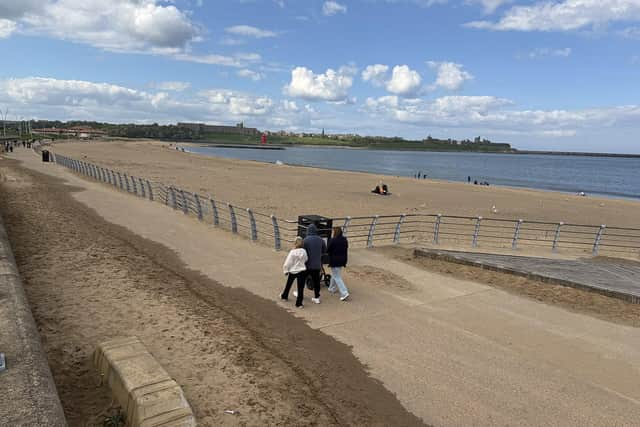
“Yet despite the challenges, there are many aspects that people like, including the events and parades, beaches and open spaces, the voluntary sector support, leisure and healthcare.”
It adds: “The story of ageing in South Tyneside is not only a story about pressure on services.
“It is also a story about people, communities and the opportunity to build a place where later life is valued.
“The data shows where we need to focus our efforts, but it also shows the importance of building on what is already strong: local partnerships, community activity, age-friendly work and the voices of older residents themselves.”
“Later life is valued”
Cllr Andy Heywood, Lead Member for Adults, Health and Independence, said the report provided a valuable evidence base to help the council understand the opportunities and challenges associated with an ageing population.
He added: “With more people in South Tyneside living into later life, we are committed to working with health partners, the voluntary and community sector and older residents themselves to help people live healthy, independent and fulfilling lives for as long as possible.
“The purpose of the report is to help us better understand where support is needed, inform future planning and ensure South Tyneside remains a place where later life is valued and where older residents can continue to play a full and active role in their communities.”
“Deeply concerned”
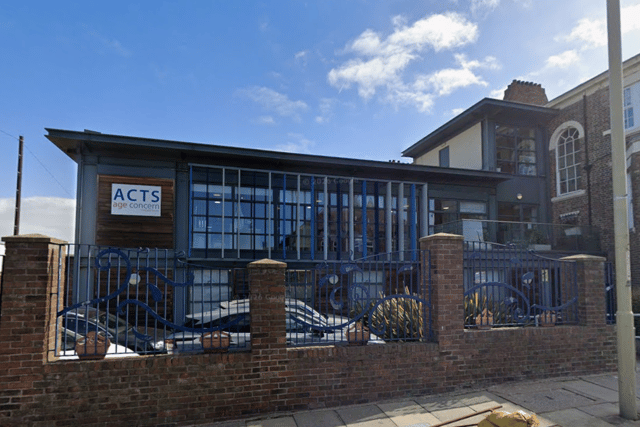
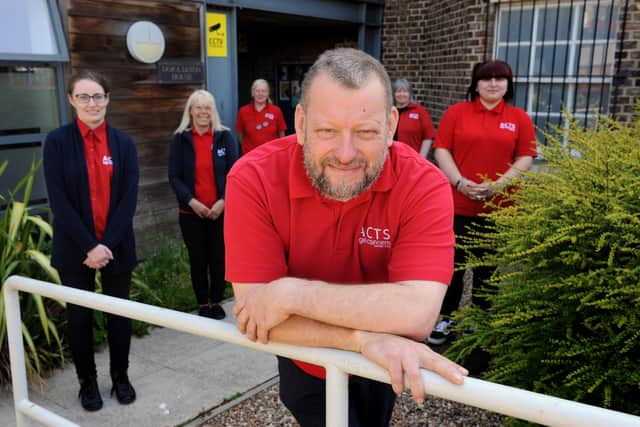
Chief Officer of Age Concern Tyneside South, Grahame Cassidy, said: “As a local independent charity working across South Tyneside, and having recently celebrated our 10th year, we are deeply concerned by the findings highlighted in the State of Ageing report. The figures reflect what we are seeing every day: many older people are facing increasing financial pressure, with too many living on low incomes, worrying about rising costs, and struggling to access the right support at the right time.
“This is happening at a time when funding for local voluntary and community organisations has become increasingly stretched. Demand for information, advice and practical support remains high, particularly during the ongoing cost of living crisis, yet reduced funding means charities are being asked to do more with less. That inevitably affects how many people we are able to reach and support.
“As the only local organisation delivering home appointments for information and advice for older people, our extensive experience is reflected in the many thank-you cards and messages we receive. Proving just how vital these trusted, services are, echoing the findings on the hidden barriers older people face in accessing support with the “quiet fear of poverty.
“What is especially worrying is that poverty in later life can often be hidden. Many older people are proud, private or reluctant to ask for help, which means they may quietly go without essentials, become isolated, or only seek support when they have reached crisis point. We need to make sure services are visible, accessible and trusted, so people know where to turn before problems escalate.
“The report should be a clear call to action. Older residents in South Tyneside deserve dignity, security and the opportunity to live well in later life. That requires sustained investment in local advice services, community support, preventative work and joined-up action between councils, health services, funders and the voluntary sector. Without that, the pressures facing older people and the organisations supporting them will only continue to grow.”