
'Sheer vandalism' - Revoking South Tyneside's climate pledge could cost cash and jobs warns former councillor
Decision by South Tyneside Council to revoke the 2019 climate emergency declaration could cost taxpayers millions and lead to job cuts, warns former councillor.
A former South Tyneside councillor has slammed the borough’s new Reform UK leadership for scrapping a cornerstone environment pledge - describing it as “sheer vandalism”.
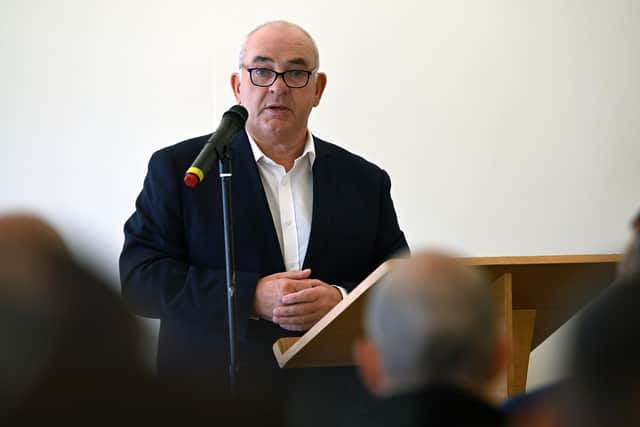

Ernest Gibson said the decision to revoke 2019’s climate emergency declaration was a backward step that could cost taxpayers millions of pounds and lead to job cuts.
Councillors voted to remove the declaration in a vote at a full council meeting on Thursday, July 31.
Mr Gibson claimed the move would disqualify the borough from future environmental funding bids, in turn handing investment opportunities to neighbouring authorities.
He was a long-time Labour councillor for the Whiteleas ward and served as the council’s Lead Member for Climate and Area Management.
And from 2019, he was also national chair of the LGA Coastal Special Interest Group, made up of 57 councils covering 60 percent of Britain’s coastline.
The LGA’s mission is to champion and represent the interests of coastal communities by increasing awareness on environmental, economic and social issues.
Mr Gibson, who lost his council seat to Reform in May’s local elections, warned the pledge retreat could put £30m of existing funding at risk, and said: “This is not a fresh start.
“This is nothing less than sheer vandalism – the deliberate destruction of years of investment, partnership and progress, born of the highest degree of ignorance about how public funding, law and regional partnership work.
“This declaration is not a standalone policy, it is woven into the very fabric of how South Tyneside operates.
“It is embedded in every council service, agreed by local businesses, built into our new £95 million college campus, and integrated into our schools’ curriculum.
“It unravels years of partnership work, slams doors on vital investment, threatens livelihoods, and steals opportunities from our young people.
“Those who dismiss this commitment as ‘just words’ have clearly not looked at what it has actually delivered across our borough and embedded across all services.
“Housing, planning, waste, transport and maintenance have all adapted to deliver better, cheaper, greener outcomes for residents.”
He added: “Local businesses are fully aligned. Hundreds of firms have invested time and money to meet agreed standards, trusting the council would keep its word.
“It is part of our children’s learning. Sustainability is embedded across school lessons, preparing young people for the jobs of the future.
“Now this motion threatens to undo all of that with real, measurable harm to jobs, funding, the public purse, and the next generation.”
Mr Gibson said South Tyneside had secured over £30m in external grants for climate-related schemes, with each carrying explicit terms referencing the borough’s climate emergency commitments
He said: “Funders do not waive these clauses. Any repayment would come directly from service budgets – meaning cuts to care, waste collection, road maintenance and early years provision.
“South Tyneside Council would be locked out of regional funding and green innovation.
“These funds explicitly require participating authorities to maintain long‑term climate commitments
“We will also be excluded from regional consortium projects, research partnerships and matched funding streams.
“The threat to jobs and investment this motion brings and puts thousands of current and future livelihoods at risk.
“Local businesses that have geared up to deliver green projects now face cancelled programmes and stalled contracts.”
Removal of the commitment to the climate emergency declaration was proposed by Reform councillor Steven Smith.
He told the full council meeting he wanted council officers to review any policies, targets and spending commitments introduced due to the climate emergency declaration.
Cllr Smith said they should report back on any financial or legal implications, opportunities to reduce costs and improve value for money and recommend changes to effective policies and strategies.