
The response to the horrific Southport stabbings showed both the best and worst of us

False information and bigotry merged online to create aimless fury in the wake of the terrible Southport stabbings, but there was also love and community.
After a tragedy that shakes society in the fashion that Southport did last year, the grief is palpable. With emotions stirred up by such profound horror and inexplicable violence meted out on the most vulnerable, sadness is inevitably tinged with anger.

That is understandable. The sheer unjustness and barbarism of what those three innocent defenceless young girls experienced is beyond imagining. Couple that with the sick sadism seemingly inherent in the character of the perpetrator, and anger becomes natural.
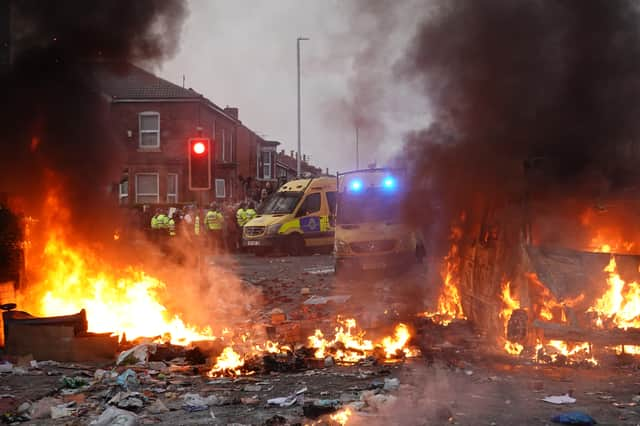
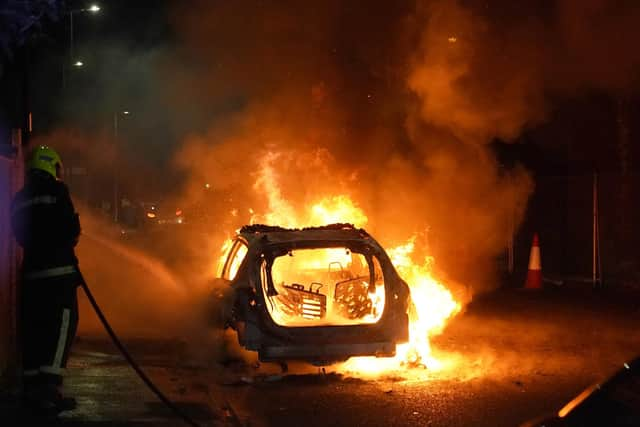
But anger at one guilty individual is a very different thing from the anger which erupted on streets across the UK in the form of senseless destruction and knee-jerk racism. In the wake of the Southport tragedy, thousands decided to exploit the raw emotions of loss to justify bigotry and xenophobia.
With anti-immigrant flames fanned by social media, asylum seeker-hating far-right Islamophobes took one look at Rudakubana and saw an enemy not solely because of his crimes, but because of his skin colour and rumoured foreign origins. This despite the fact that the perpetrator was born in Cardiff to evangelical Christian parents.
The violence and domestic terrorism against non-white British people and genuine asylum seekers desperate to join our society and forge a better life for themselves was the worst of us. As a nation we were hurting; that the reaction from some was so toxic is a source of shame.
But there was also beauty in the response. As puce-faced thugs responded to grief by destroying things and tearing at the fabric of our society despite the mother of one victim calling for calm, others rebuilt. They came together to mend and start the healing process away from the base Neanderthal instinct to attack the “other”.
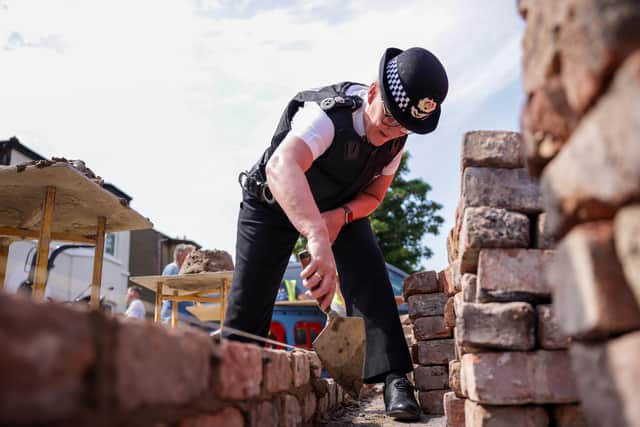
The images of people helping one another, sweeping streets in vandalised areas, and leaving flowers at mosques stood in stark contrast to far-right mobs attacking police and threatening to burn hotels full of petrified women and children. One group was holding scared and wounded strangers close, the other was spitting hate and sowing division.
A year on, the details of that grim and dark day remain as shocking as ever. But we should also remember that while a noisy extremist minority equipped with the megaphone of social media saw the chance to spew hatred, a far larger and less obnoxious majority grieved and tried to focus on healing.
They were and are the best of us.