

In 1965, the nation switched from the old ‘tripartite’ system of grammar, technical and secondary modern schools to the comprehensive model.
No longer would children’s futures be determined by the 11-plus, it was decided, as the Government sought to end the divisive, inequitable set-up and increase social mobility.
Before then, grammar schools had all the prestige. Secondary moderns, meanwhile, were harshly seen as ‘dumping grounds’ for those children who failed the 11-plus and often left before sitting their O-levels, with little prospect of going on to do A-levels or attend university.
Comprehensives had existed before 1965, but they were the exception rather than the rule.
Some schools and parents embraced the switch to the new system, while others fought it, with some pupils opposed to the change even staging sit-ins.
All these years later, comprehensive schools - those that are state-funded and non-selective - remain the norm, though a grammar school system operates in parts of the UK.
But over the years, comprehensive has become a ‘dirty’ word, associated with underachievement and dropped from the titles of most schools.
In recent years, there has been a push for schools to convert to academy status, but these - while free from local authority control - remain true to the spirit of comprehensive education, in nature if not in name.
But it’s fair to say the 60s and 70s were the golden age for comprehensive schools, when they seemed like the path to a fairer society in which where you were born and to whom no longer determined your chances in life.
These photos take you back to those days, showing life in all its variety at comprehensive schools, from cross-country races and netball to school plays.
They will bring back memories of free milk, concrete cake and custard for school dinner, woodwork classes for the boys and needlework for the girls, and the sound of chalk scratching out maths equations on blackboards.
Visits by famous faces, school trips and even a sit-in by pupils also feature in this retro photo gallery, whisking you back to the 60s and 70s.
Do these nostalgic pictures bring back any memories for you of your school days, and what do you think all these years later of the shift to comprehensive schooling and how it has worked out?
If you enjoyed this trip down memory lane, you might like our look back at nine things you’ll almost certainly remember if you went to school in the 60s or 70s.
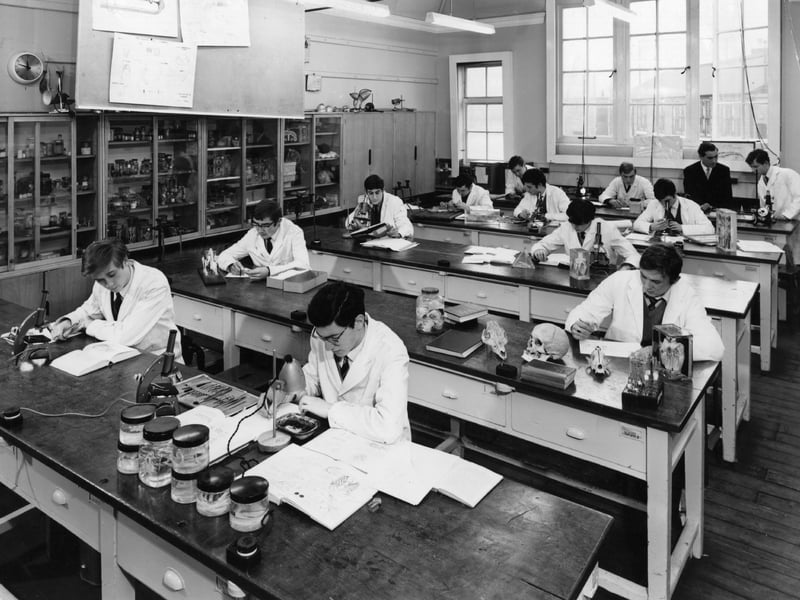
1. In the lab
Pupils in the science laboratory of Hackney Downs Comprehensive School for Boys, London, in around 1970 | Getty Images Photo: Hulton Archive
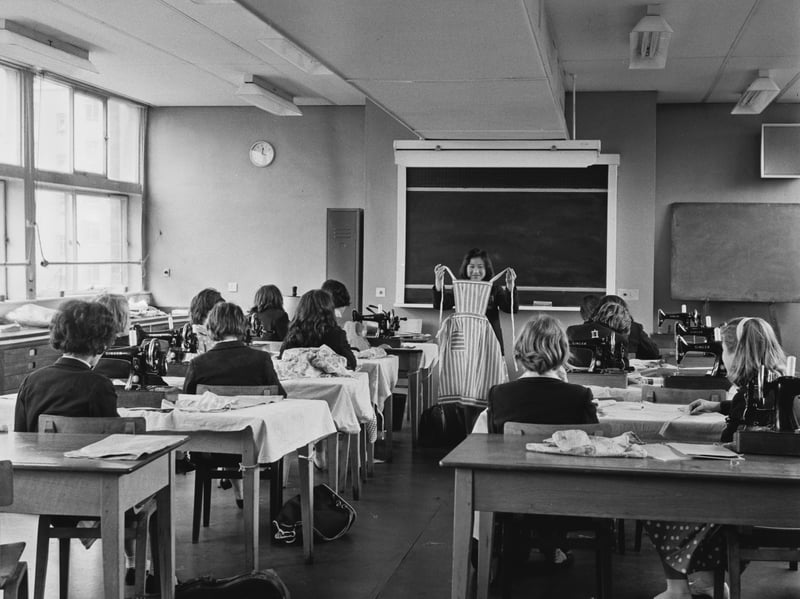
2. Needlework
Pupils attend a needlework class at Woodberry Down Comprehensive School, north London, in May 1964 | Getty Images Photo: Evening Standard/Hulton Archive
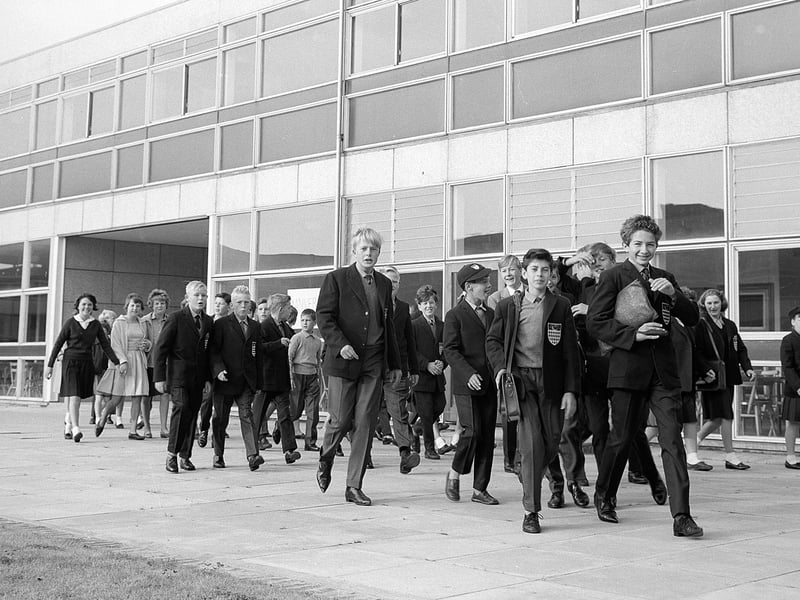
3. School opening
Lots of new comprehensive schools opened in the mid-60s. Pictured here is the opening of Dukeries Comprehensive School, Ollerton, in 1964. | National World
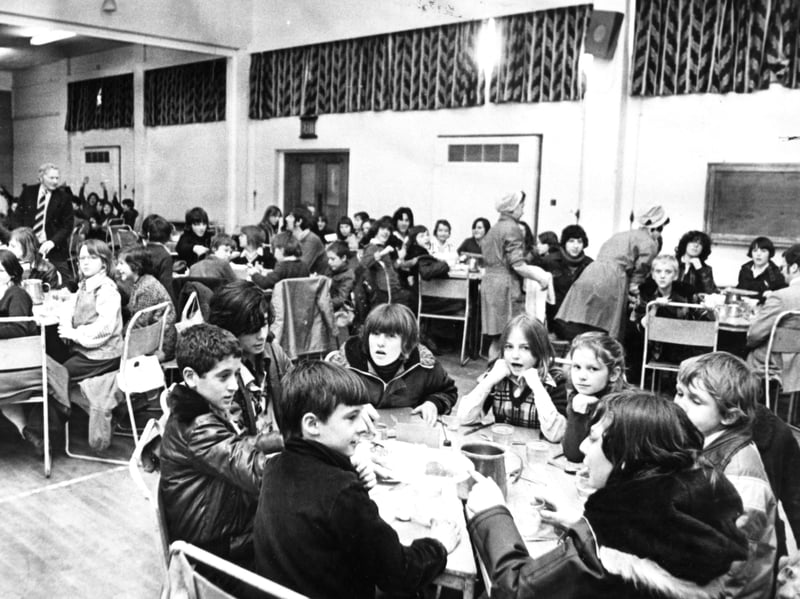
4. School dinner
School dinners didn't have the greatest reputation in the 60s and 70s, but one highlight for many children was concrete cake with custard. Pictured here at dinner time in February 1977 are pupils at Brinkburn Comprehensive School, South Shields. | Shields Gazette