
The year when Sunderland had 268 sweet shops: Before war arrived
In 1939, Sunderland was home to 268 confectioners, 146 pubs, and much more as life brimmed before the looming shadow of war.
Today, with the help of Sunderland Antiquarian Society, we look at Wearside in numbers as it got ready for war.
85 fish and chip shops in Sunderland
At the start of that year, Sunderland had 146 public houses, 115 off licenses and 40 tobacconists so there was plenty of scope to spend any available income on drink and tobacco.
There were 25 pawnbrokers, 330 grocers, 168 butchers, 22 pork butchers, 114 fruiterers and 85 fish and chip shops open to ensure that Wearsiders didn’t starve – provided they had the money, of course.

Anyone with a sweet tooth was well catered for with 268 confectioners in the town and a selection of 23 ironmongery and hardware shops would supply anything from a poss stick to fly paper.
Coal or coke for the fire could be bought by the bucket from countless corner shops, or provided by the hundredweight by 15 coal merchants. There were also 14 chimney sweeps to remove the soot that accumulated from the fires.
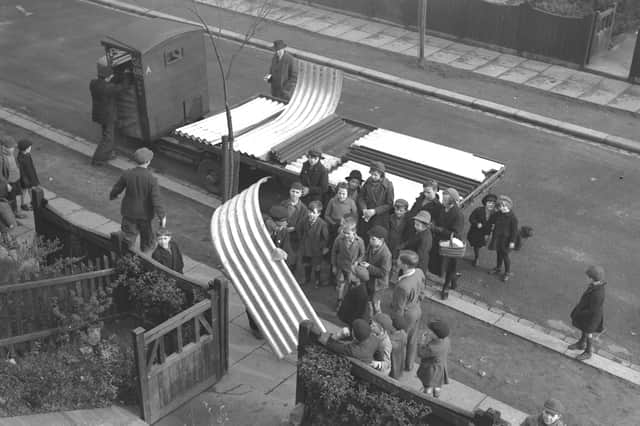
War loomed and air raid shelters were on the way
There were 23 professors in the town who were willing to teach anyone the art of music or dancing and over a hundred shoe shops and cobblers to repair the shoes when dancing lessons were over. To ensure there wasn’t a hair out of place there were over 100 barbers and hairdressers with scissors at the ready.
Horses weren’t forgotten in Sunderland as there were 3 saddlers and harness makers.
For pills, medicines or potions you could visit any of the 40 chemists in the district as well as 6 herbalists ready to advise you.
Any of a dozen local boarding houses would supply bed and breakfast for a few shillings and if you didn’t mind sharing a room with others, there were five registered lodging houses charging just a few pennies a night for bed only.
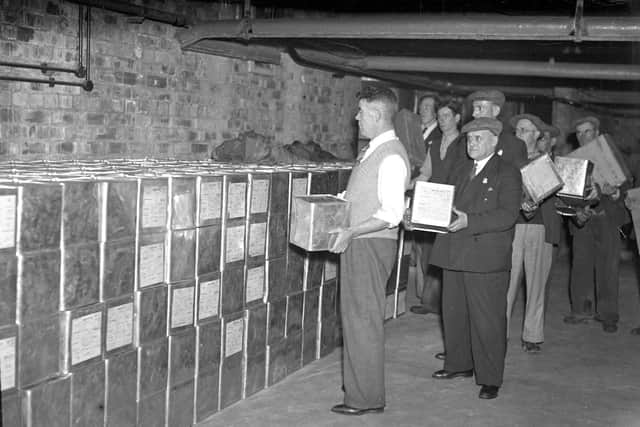
But within months, war was on the way.
8,000 children were evacuated
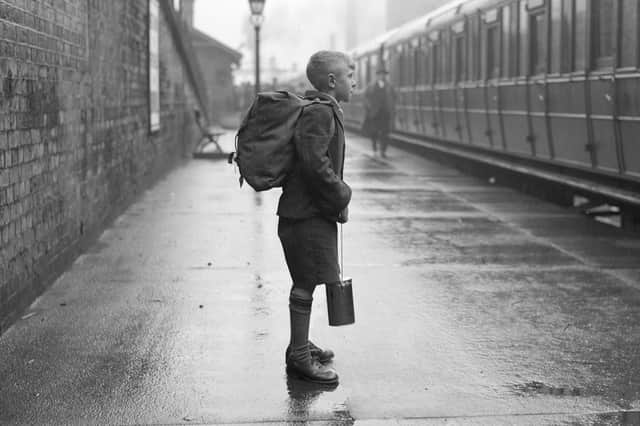
Monday, September 11 was a sad day for local families when 8000 children left Wearside in twenty special trains for evacuation to safe rural areas on County Durham and Yorkshire.
16,000 pupils had been provided for, but only half of these were present when the trains pulled out of local stations, watched by tearful parents and relatives.
At midnight on September 22, petrol rationing started. Owners of small cars were limited to coupons entitling them to four gallons per month and if a car was twenty horsepower or more then 10 gallons a month were allocated.
When December came, two Christmas excursions left Sunderland to visit evacuees in the North and East Ridings of Yorkshire. Five hundred parents and relatives took the opportunity to see at first-hand how the children were bearing up to the enforced separation.
Our thanks go once again to Sunderland Antiquarian Society.
To find out more about the history of Sunderland, visit the Antiquarian Society’s Facebook page or its website at http://www.sunderland-antiquarians.org