
Almost 90% of North East women report feeling unsafe while travelling in the region
National rail services and buses are considered safer than the Tyne and Wear Metro, a new passenger survey has revealed.
A new study has found that almost 90% of women have felt unsafe or uncomfortable while travelling in the North East, while almost three quarters have changed how they travel due to safety concerns.

The study combined crime and demographic data with testimony from almost 2,000 women and girls from across the region. It was compiled by the North East Mayoral Strategic Authority, with a £5 million plan to tackle the issue set to be approved at a cabinet meeting next week.
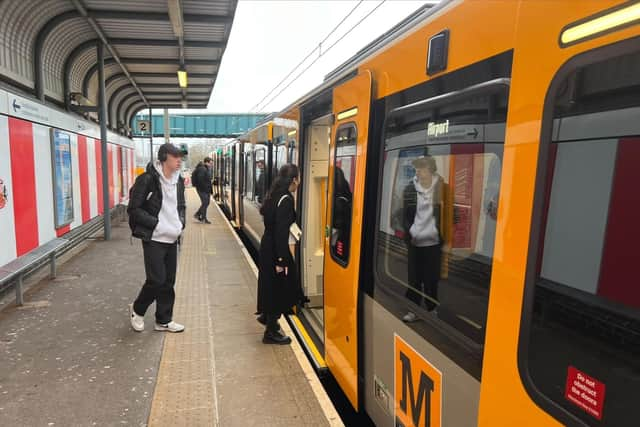
Furthermore, just 46% reported feeling safe when using the Tyne and Wear Metro. This compares to 70% of rail users and 66% of bus passengers.
The study found that 87% of respondents reported having felt unsafe or uncomfortable while travelling in the North East, while 73% reported changing how they travel due to safety concerns. A report set to be presented to the cabinet next week revealed that safety concerns were “particularly evident” when travelling after dark.
Respondents said they “changed routes, travel times and transport types” because of “concern about their personal safety”. Reoccurring themes included anti-social behaviour and harassment.
North East Mayor Kim McGuinness was elected on a manifesto that included a commitment to make transport in the region feel safer for women and girls. Safety, particularly for women and girls, is a key area of focus for the North East Local Transport Plan.
The £5 million investment, split across the next two years, will include an increase in “visible staffing” at Metro Stations and dedicated safety staff be placed at bus stations and “roaming” across the bus network.
The £5 million action plan draws together a significant investment programme designed to make journeys safer. This includes around £20 million of committed capital investment in measures already in delivery, and a further £52 million of potential capital investment subject to business case approval.
This covers improved security at both Metro and railway stations and improved CCTV. New ticket barriers will also be installed at Metro stations. Bus stops, as well as stations and waiting areas, will be made “safer and more accessible”.
The report warns that without further action, safety concerns will continue to affect travel choices and “act as a barrier” to accessing employment, education, services and other opportunities.