
Five safety tips South Tyneside dog owners must know for a summer heatwave
Here’s the five safety tips all South Tyneside dog owners must know ahead of any summer heatwaves.
As temperatures soar many dog owners may be tempted to get outdoors and enjoy the weather with their pets. But spending more time outdoors on dog walks during warmer weather can come with its own challenges.
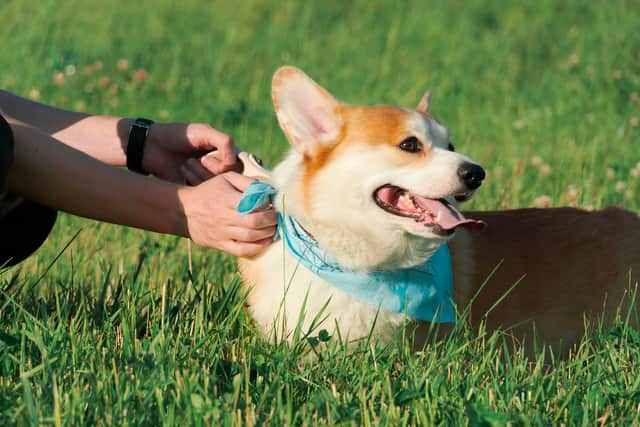

Knowing what to look for, and when to seek help, is especially important as we head into summer. According to experts at Tesco Insurance, this can range from spotting an injury, signs your dog may have eaten something toxic, and recognising heatstroke symptoms.
Below are five common issues related to dogs to look out for, shared by experts at Tesco Insurance to protect the health of South Tyneside’s pets.
1. How do you know if your dog is injured?
Try checking your dog over after walks to see if they’ve suffered an injury, and monitor for signs of infection like redness, swelling, or discharge.
2. How to spot symptoms of dog heatstroke
In periods of warm weather, it’s easy for our pets to overheat. If you notice your dog struggling, move them to a cool place out of direct sun.
Dog heatstroke symptoms include excessive panting, drooling, lethargy, vomiting, bright red gums, and unsteady movement.
Offering small sips of water or gently cooling your dog with cool. Avoid using very cold water, or suddenly immersing your dog, as this can cause shock.
3. Signs your dog might have eaten something toxic
Always keep dangerous foods, plants, and chemicals out of reach.
Common signs a dog has eaten something toxic can include vomiting, drooling, lethargy, tremors, or unusual or confused behaviour.
4. What should you do if your dog collapses
If your dog has collapsed and isn’t responding or breathing, call your vet immediately.
5. Signs your dog is choking
Look for sudden restlessness, signs of panic, excessive drooling and wheezing, or high-pitched breathing sounds. In serious cases, their gums may appear light blue.