
River Tyne nurdle spill review faces calls for transparency
South Tyneside councillors have called for details of a formal review into a major plastic pollution incident to be made public, so lessons can be learned and a repeat prevented.
The borough council’s political groups joined forces this week to back a cross-party motion examining the aftermath of the Port of Tyne incident on July 19, which saw millions of plastic pellets spill into the River Tyne.
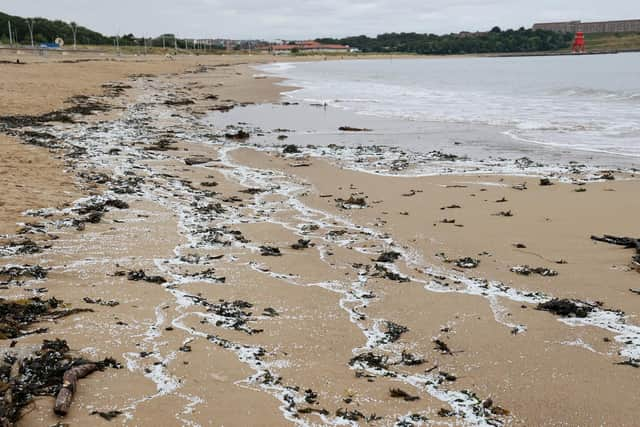
The pellets, known as nurdles, are used as a raw material to manufacture most plastic products and have been washing up on beaches across the region ever since.
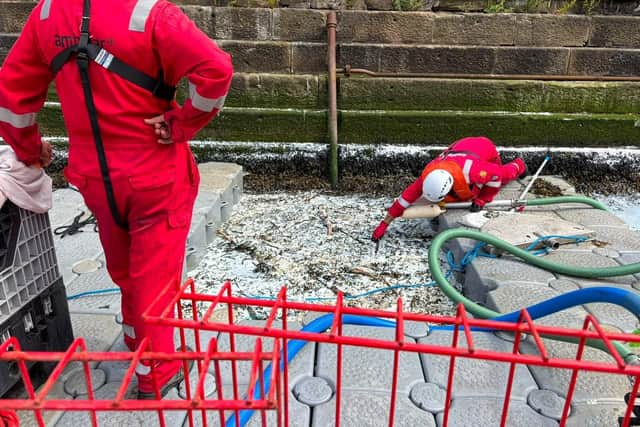
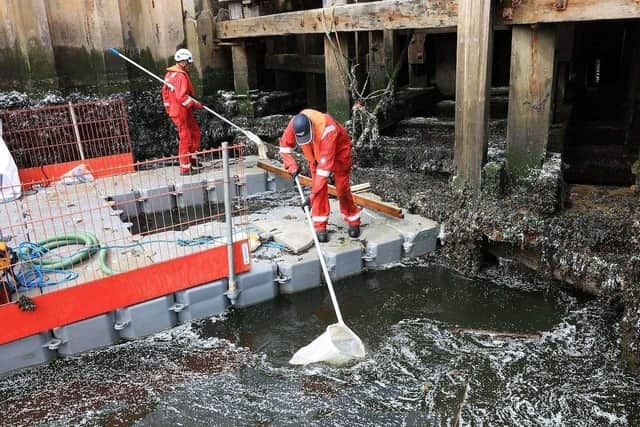
A motion presented to a full council meeting on Thursday, October 22, thanked council staff, contractors, environmental organisations, public agencies, community groups and the thousands of volunteers who have contributed to the response and clean-up.

It also recognised emergency responders for their “prompt action” at the Port of Tyne and acknowledged the significant impact the incident has had on port workers directly involved.
As the plastic pollution incident was a regional matter involving multiple agencies and affecting communities across local authority boundaries, the motion argued that “the response should be reviewed on a regional basis”.
It also argued that the end of a contractor-led nurdle clean-up “must not be treated as the end of responsibility for the environmental consequences of the incident”.
The motion was originally proposed by the council’s Green Group and, following an amendment by the ruling Reform UK administration, won unanimous approval across the council chamber.
It asked the council to note the multi-agency work undertaken by the Local Resilience Forum in leading the initial response, the recovery phase and the commissioning of a ‘lessons learnt’ review of the “accident and subsequent nurdle incident”.
Councillors agreed to request that a public-facing summary of the review be published alongside its findings and recommendations for the future.
The motion also called for several matters to be highlighted in the review, from preparedness, notification and containment to communications, clean-up, contractor resources, volunteer involvement and lessons for future pollution incidents, with “communities and relevant environmental and technical organisations able to contribute evidence.”
It also asked the council to seek transparency over remaining nurdle pollution and future recovery arrangements, and to pursue ring-fenced financial provision from the responsible parties and/or insurers for future recovery and environmental monitoring work.
The motion further called for wider compensation and redress to consider the impacts on the environment, community and economy separately from direct clean-up costs.
Other resolutions included consideration of a “Tyne Environmental Recovery and Water Quality Summit” involving councils, the Environment Agency, Port of Tyne, Northumbrian Water, community representatives and other relevant partners.
The motion also called on central government to introduce mandatory measures aimed at preventing plastic pellet loss across the supply chain.
Councillor Paul Mackings, Reform UK leader of South Tyneside Council, said the amended motion followed “constructive dialogue” with the opposition.
He encouraged councillors to support it, given its “importance not only to those directly affected by the spill but also to the wider community and the environment which have suffered as a result of it.”
Green Party councillor Matt Blair, who proposed the original motion, said he was pleased a compromise had been reached.
He added: “None of us has got every word we might originally have chosen, myself included. What matters is recovery, accountability, learning the lessons and preventing another spill.”