
Everything you wanted to know about South Tyneside election day... but were afraid to ask!
Thursday, May 7, is the day that voters have the chance to go to the polls to shape the make-up of South Tyneside Council - and the future of the borough.
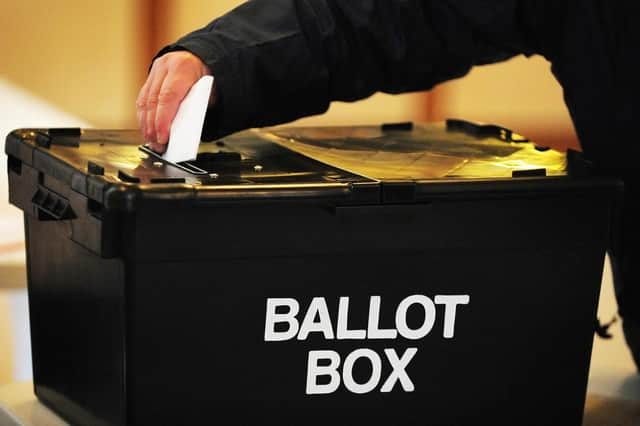

Polling stations will be open from 7am to 10pm on Thursday, May 7 and all 54 seats on the local authority are up for election, with three in each of the borough’s 18 wards.
The South Tyneside Alliance Group of independents is the main opposition on the council with 11 members, while The REAL Independent Councillors group includes four councillors.
The local authority is currently led by a Labour administration, as it has been for decades.
Labour, the Green Party and Reform UK will all be standing 54 candidates each, with three candidates in each of the borough’s 18 wards, while the Conservatives are standing 12 candidates and the Lib Dems two candidates.
A total of 39 independents are standing across a number of South Tyneside’s wards and the South Tyneside Alliance Group recently said around 16 independent candidates were affiliated to STAG.
Following the elections, any independents who emerge victorious would be able to join established independent groups, make a request to form a new group, or choose to sit as an unaffiliated independent.
Tracey Dixon, the local authority’s Labour leader since 2020, and cabinet members Paul Dean, Ernest Gibson and Liz McHugh are just some of the key figures standing in the election.
However, around half the existing Labour cabinet will not be seeking re-election, with the council’s deputy leader Jane Carter and cabinet members Ruth Berkley, Jim Foreman, Margaret Meling and Judith Taylor stepping down.
The ruling Labour Group, which controls exactly half the seats on the local authority, is looking to retain existing seats and to claw back seats in areas it previously lost to opposition groups.
The Green Group, which has gained a foothold in several borough wards in recent years, will also be looking to hold onto existing councillors and contest new borough wards to increase its numbers.
With all 54 seats on the local authority up for election it means any party standing enough candidates has the ability to take control of the council if they secure an overall majority.
If there is no overall majority and the council is left in “no overall control”, cross-party talks would then be held over potential agreements and coalitions.
The council is expected to hold its annual general meeting later in May where it will be confirmed who takes up the leadership positions for the coming year.
Reform UK has no elected councillors on the local authority but is looking to change that with large gains on election night, with candidates in the running in every council ward.
The large number of independent candidates standing could also tip the balance of power on the local authority, with a range of individuals standing including former councillors and community figures.
In some wards such as West Park, Whitburn and Marsden and Whiteleas, there are no independent candidates standing and some wards only have one independent candidate.
Elsewhere, Cleadon Park and Harton Moor ward has four independents standing, while Primrose ward has five independents seeking election.
Conservatives and Liberal Democrats both have no representation on the local authority currently but are also hoping to gain a seat at the table following May 7.