
Kate Osborne MP: South Tyneside can take pride in having strong women in elected leadership
March is Women’s History Month. At the weekend we marked International Women’s Day – celebrating women’s achievements across the world, socially, economically, scientifically, culturally and politically – but also reflecting on the challenges that remain.
And we have to be honest – the last few years we have seen women's rights pushed back, a rise in toxic masculinity, a rise in sexist and misogynistic abuse, especially online, and a manufactured war on woke leading to attacks on equality and rights that too many have been sucked into.
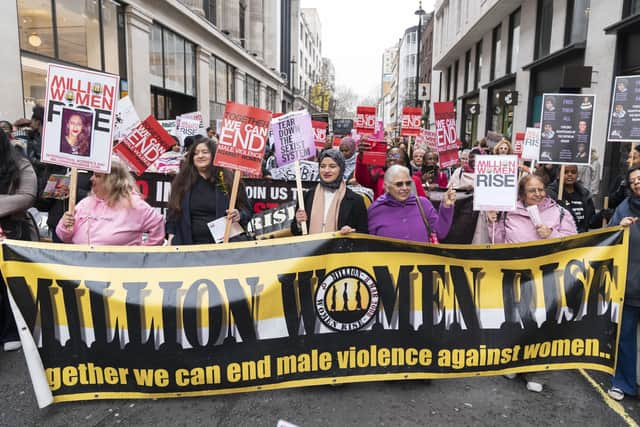

Right now, in a world too often shaped by conflict and division, where power remains concentrated in the hands of men intent on fighting each other, ensuring women can thrive is not simply a matter of fairness. It is essential if we want a more peaceful, equal and prosperous society, and if we are to tackle the most pressing challenges we face – from conflict to environmental crisis.
Women are the shock absorbers of poverty, violence against women and girls still remains at a crisis level and women continue to face systemic discrimination in workplaces, healthcare, politics and in society.
The troubling rise in sexism and misogyny, particularly online, means many women, including women in public life, experience daily abuse on social media. For some, that abuse is compounded by other forms of prejudice. Working-class women, black women, disabled women and LGBTQ+ women often face more frequent and intense abuse.
Women’s health has historically been under-researched, underfunded, and overlooked. As a result, conditions that disproportionately affect women, from endometriosis and polycystic ovary syndrome to menopause symptoms and reproductive health issues have often gone undiagnosed or untreated for years. Many women report having their pain minimised or ignored, reflecting longstanding inequalities within medical research and healthcare systems. This week in Parliament I raised the issue of endometriosis, the gender pay gap and attended many drop-ins focusing on the challenges women are facing.
Improving women’s health and closing the gender health gap means more than providing better access to care, we need investment in specialist services, improving pain recognition, addressing bias in research.
The Labour Government is taking steps to tackle these issues through our strategy to combat violence against women and girls, also strengthening rights through the Employment Rights Act, including improved protections for pregnant women and new mothers and making flexible working more accessible. We’re also tackling maternity inequality and requiring action plans alongside gender pay gap reporting.
But there’s still much more to do. I will continue to fight for improvements in women’s health, better access to fertility treatment including IVF, and for the rights and protections of LBTQ+ women.
We must continue to invest in women, support women, develop women and, above all, believe women. Survivors who speak out about violence deserve to be heard and supported, not doubted or dismissed – we need to learn the lessons of Gisèle Pelicot who reminded us in the starkest possible terms why women must be believed and why, in her now iconic words, the shame of sexual violence must “change sides” and the stories from the survivors of Epstein – who are still demanding justice.
While national policy matters, we should also recognise the extraordinary women in our own communities who make a difference every day.
Here in South Tyneside, I’m proud that we have strong women in elected leadership. Across our borough we are represented by two women MPs, a woman serving as North East Mayor, a woman leading Northumbria Police as Police and Crime Commissioner, and women serving as Leader and Deputy Leader of South Tyneside Council. Representation matters, and it is something our region can take real pride in.
For me personally, it is a huge honour to serve as the MP for Jarrow and Gateshead East. I’m proud to be the second woman to represent this historic constituency, following in the footsteps of the formidable Red Ellen Wilkinson.
Red Ellen was a pioneering socialist and feminist who fought tirelessly for working people. As a young trade unionist she helped organise the Suffrage Pilgrimage in 1913, when tens of thousands of women marched to Hyde Park demanding the vote.
Across South Tyneside there are incredible women volunteering their time to support others – helping families in need through Bede’s Helping Hands, Hebburn Helps, Boldon Village Hall Community Food Store, the Felling Food Network and Embells Community Support Project.
When women thrive, society thrives. Investing in women’s health, safety and equality does not just create a fairer world; it helps build a stronger and more prosperous one.
The theme for this year’s International Women’s Day 2026 is “Rights. Justice. Action. For ALL Women and Girls.”
We should all use this opportunity to commit to challenging sexism and inequality wherever it exists, honour those who came before us and demand a fairer future for the generations that follow.