
A massive concern for wildlife says leading North East vet after plastic pellet pollution disaster

“To small fish and sea birds, these nurdles will look like fish eggs, something which which is part of their natural food source”
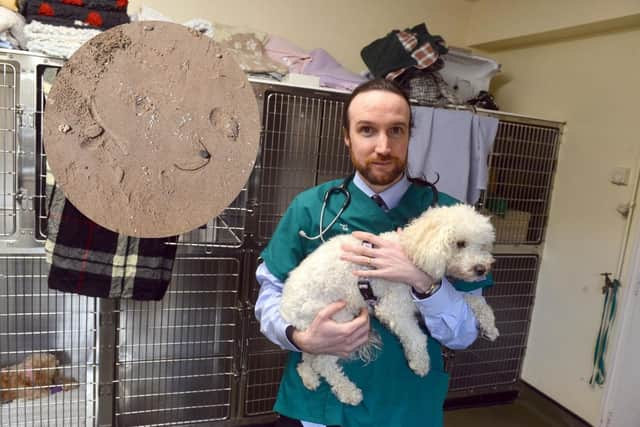
A leading North East vet has said it’s a “massive concern for the long-term impact on wildlife” and that he “wouldn’t be surprised” if we soon see seabird fatalities on our beaches following the spillage of up to 25 tonnes of plastic pellets, known as nurdles, into the North Sea.

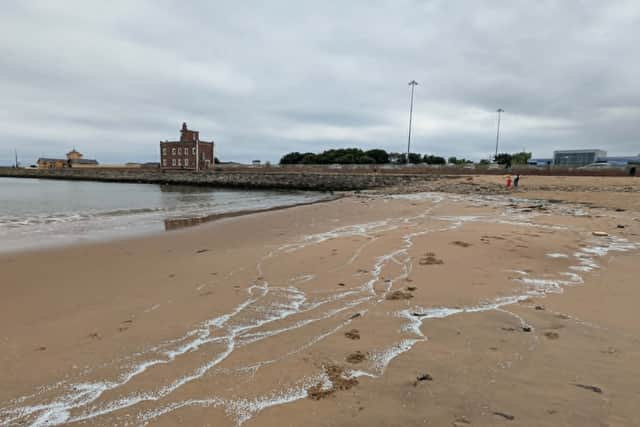
The release of the plastic pollution took place after a collision involving two shipping companies at the Port of Tyne on Sunday 19 July, with the North East mayor Kim McGuinness describing the environmental disaster as potentially the “worst incident of nurdle pollution in Europe”.
Roker Park Veterinary Centre director and vet, Rory Thomson, said: “The amount of plastic reported to have been released is a massive concern with the potential to bring long-term implications for our marine and coastal wildlife.
“These nurdles can act like a sponge for bacteria and toxins in the sea which can then be ingested by marine life and birds and cause potential blockages.”
One of the major concerns is the appearance of the nurdles to animals.
Rory added: “To small fish and sea birds, these nurdles will look like fish eggs, something which which is part of their natural food source. Once consumed, these smaller fish may then be eaten by larger marine predators, with the pellets working their way up the food chain and ending up in marine life such as seals, dolphins, and Orcas.
“A recent study of Orcas showed that consumption of plastics can also affect fertility, which can also have an impact on marine populations.
“They can also obviously end up being consumed by humans, as part of the food chain.
“These pellets when consumed can also be a big problem for seabirds and I wouldn’t be surprised if in the not too distant future we see seabird casualties with stomachs full of these nurdles.
“The long-term implications for wildlife is a massive concern.”
Dog owners have been advised to keep their dogs on leads and to contact a vet if their pet eats any pellets.
Whilst Rory said he is more concerned about the implications for wildlife than for domestic animals, he did say dogs ingesting large quantities of the pellets should be taken to see a vet.
Yesterday (July 27) workers from Sunderland and South Tyneside councils could be seen on the region’s beaches as the clean-up operation continued.
An investigation is currently underway as to the cause of the spillage and who is responsible.
In an updated statement, the Port of Tyne has confirmed the two containers that split open in the collision between two vessels on the River Tyne have now been “cleansed of plastic pellets”.
The spokesperson added: “The damaged containers carrying the pellets, which subsequently leaked into the river, were secured with a scaffolding frame and enclosed before an industrial vacuum was used to collect the nurdles. This marks a significant step forward to clean up the pellets after the collision.
“A specialist team arrived at the Port at the weekend and began work immediately. A third container which contains some pellets is damaged but is not presently leaking. Plans are underway to have the ship moved and the container taken ashore.
“Over the weekend, significant progress was made on the river to clear nurdles in various locations along the river. At the North Shields Ferry terminal, workers used flushing techniques to free stranded pellets before collecting them. A boom was also erected at Jarrow Bridge on the river Don.
“Progress is also being made in the planning to clear the wreckage on land, including the collapse of a 750-tonne gantry crane, part of which remains in contact with the container ship.”