
‘Plans are in place’ - Spring tides expected to bring additional nurdles to South Shields’ beaches
Spring tides are expected to wash up extra nurdles in South Shields this weekend.
South Tyneside Council has stated that “plans are in place” as springs are expected to bring some additional nurdles onto parts of the borough’s coastline.
The local authority has stated that arrangements are already to respond if extra nurdles are washed up on the beaches this weekend (Saturday, October 10, and Sunday, October 11).
South Tyneside Council has stated that recovery contractors and partner organisations will be carrying out extra monitoring over the weekend.
It has also revealed that teams are surveying affected areas and are targeting clean-up activity to protect the borough’s coastline.
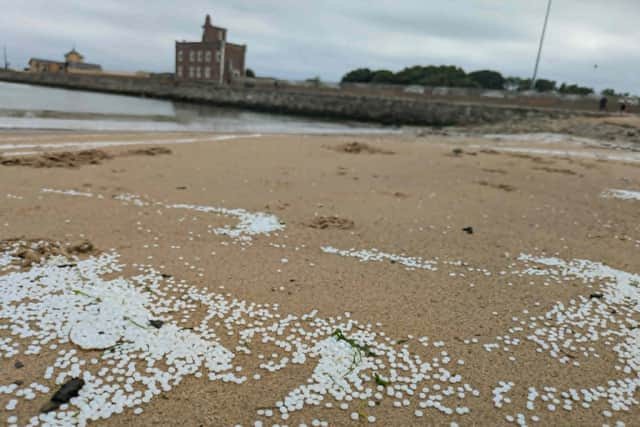

‘Plans are in place’
Stuart Wright, Director of Place Strategy at South Tyneside Council, has reassured members of the public that additional nurdles are expected from the spring tides and that plans are in place to respond.
Speaking on behalf of the multi-agency response group, he said: "We know from experience that spring tides can bring additional nurdles onto parts of our coastline, so we've been preparing for this period and working closely with partners to monitor conditions.
"While we expect to see some additional movement of nurdles, it's important to remember that this is not unexpected and plans are in place to respond where required.
"I'd like to thank residents, volunteers and local groups for their continued support and patience.
“We understand how important our coastline is to our communities and will continue to keep people updated as recovery efforts progress.”
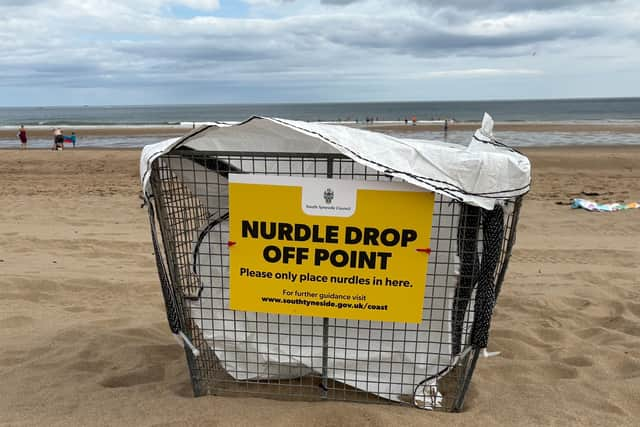
Guided by scientific data
Last week, South Tyneside Council revealed that as the clean up operation continues, the Scientific and Technical Advice Cell (STAC) has reviewed the recovery data, shoreline surveys and specialist modelling undertaken by Newcastle University and the Centre for Environment, Fisheries and Aquaculture Science (Cefas).
The modelling indicates that many of the spilled nurdles are likely to have dispersed beyond the Tyne estuary, while some material may remain within the river system.
It also suggests that the plastic pellets may continue to wash up on parts of the North East coastline in the future due to weather conditions, tides and winds.