
Plastic pellets washing up on South Tyneside beaches carry E.coli risk, warns pollution expert

An environmental scientist specialising in plastic pollution has said pellets washing up on South Tyneside beaches may contain pathogens such as E.coli.
An environmental scientist and plastic pollution expert has warned the public against handling plastic pellets on South Tyneside beaches as they may be an E.coli risk.
Heather McFarlane, a Senior Project Manager, at Scottish charity group Fidra has warned of the potential chemical impact of handling the pellets, known as nurdles, after thousands of the small plastic balls washed up on beaches this week.
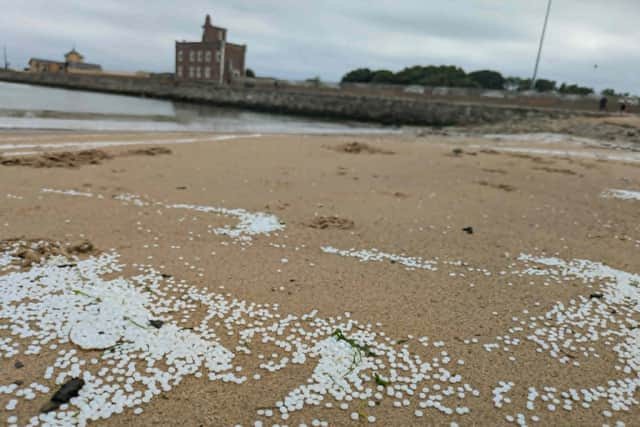

It is thought the pellets were spilled into the River Tyne following a collision at the Tyne Dock which saw a crane collapse and one person taken to hospital on Sunday, July 19.
‘They have chemicals in them’
A clean-up operation is now underway, fronted by South Tyneside Council, although the local authority has warned the public not to assist yet.
“These plastic pellets can carry contaminants” explained Heather, who works to document and fight spillages of plastic into oceans worldwide.
“They have chemicals in them, like all plastic does, but they can also attract chemicals or they can attract biological contaminants and pathogens like E. coli.”
Nurdles have been washed ashore Littlehaven Beach throughout the start of the week and dog walkers have been advised to keep their pets on leads.
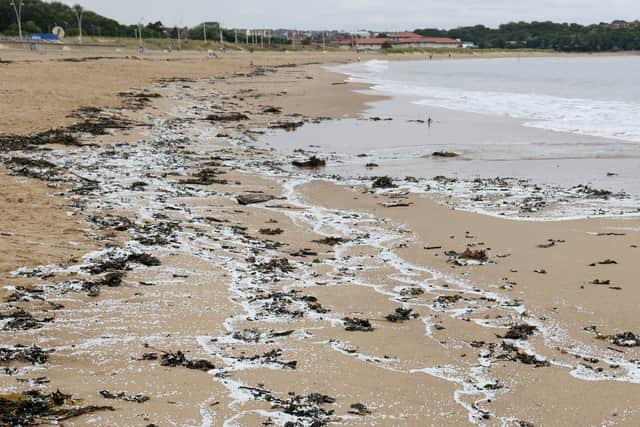
The impact may extend to wildlife around coastal areas of the region.
‘They can last for decades’
“We know there are a number of UK species which have been found with plastic pellets in their stomachs” added Heather.
“Seabirds could easily get them confused with fish eggs.
“Once it gets into their system the pellets make them feel full when they’re not. It’s replacing the food which should be in their stomachs.”
The effects of the spillage may continue for a while yet. This was the second recorded spillage into the North Sea in 18 months after an incident near Humberside in March 2025. Pellets were found as far away as nature reserves in Norfolk this year.
Heather continued: “What we know from other spills is, once nurdles get into the environment, they can spread far and wide if they aren’t contained straight away.
“Like all plastic pollution, they can last for decades in the environment.”