
Everything you need to know about confirmed South Tyneside council tax hike and cuts
Plans for millions of pounds of council cost savings and another council tax rise in South Tyneside have been narrowly approved, despite criticism from opposition councillors.
South Tyneside Council’s latest full meeting saw spending plans for 2026/27 backed by a majority of just one vote, as part of a key decision on the borough’s medium-term financial plan (MTFP).
The decision to set a balanced budget, a statutory requirement for councils every year, was only secured due to the casting vote of the council’s Deputy Mayor, councillor Shane Smith, who was forced to step in after a crunch vote saw 23 councillors vote in favour and 23 vote against.
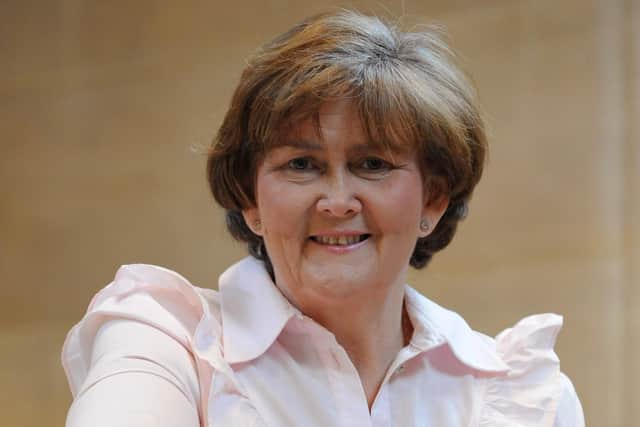

Budget proposals presented by the council’s Labour Group, which were eventually agreed at Thursday’s (February 26) town hall meeting, included just over £11.6 million of savings in 2026/27 to balance the books through, what the council previously described as, “targeted efficiencies, service redesigns and income generation.”
As part of budget plans for 2026/27, the council previously confirmed it anticipated a reduction of around 100 posts over the financial year, which is approximately three per cent of the council’s 3,500 filled posts.
The council, in a previous statement, also said it would manage staffing levels by only recruiting to essential posts and noted reductions would be focused on management and back-office functions to protect frontline services, with “every effort made to avoid compulsory redundancies.”
The budget also included a 4.95 per cent proposed council tax increase to fund council services, which represents an increase of £66.50 per year, or £1.28 per week, for a Band A property class, into which the majority of South Tyneside’s properties fall.
The 4.95 per cent council tax hike for council services includes a two per cent adult social care precept, ringfenced for these services to reflect rising pressures, and a 2.95 per cent general increase in core council tax, and residents will also see “precepts” added to their final bills towards fire and rescue and police services.
However, the council previously stressed that support remains available for households facing financial hardship through existing welfare and council tax reduction schemes.
Due to feedback from local residents and stakeholders, alongside revised Government funding levels, South Tyneside Council recently announced that it would change two elements of its spending plans for 2026/27.
The changes meant the local authority was able to retain the current opening hours across all libraries, after previously proposing to reduce hours at two sites, and to continue to directly manage Shop @ The Word for the year ahead, after previously confirming it was looking to “review how the retail space is managed to ensure it is financially sustainable”, with one proposal including letting the space to different providers.
South Tyneside Council confirmed that aside from the two amended proposals, all other measures set out in the MTFP remain unchanged, including plans to introduce ticket prices for the popular Sunday Concerts, which are held annually in South Shields’ Bents Park.
The medium-term financial plan was published earlier this year (2026) and then progressed through South Tyneside Council’s cabinet of Labour councillors at the beginning of February, 2026, where town hall bosses said they would continue to invest in residents’ priorities against a backdrop of increasing cost pressures and the “most challenging financial climate in more than a decade.”
Labour bosses on the local authority have previously said that the council is investing in new care models and prevention services, as well as expanding in-borough children’s accommodation to reduce costly out-of-area placements and considering the introduction of “innovative approaches to SEND transport”, such as independent travel training and personal travel budgets.
The council said it is prioritising safer, stronger neighbourhoods, with £500,000 allocated to continue its community responders function, which the council states reflects residents’ “top priority” around tackling antisocial behaviour, as evidenced through consultation.
Other key measures include continued subsidies towards services, including for school milk and school meals, as well as continuing efforts to promote footfall and prosperity in town centres.
When the MTFP budget was presented to the annual budget meeting this week, Labour’s plans were criticised by opposition councillors across the council chamber.
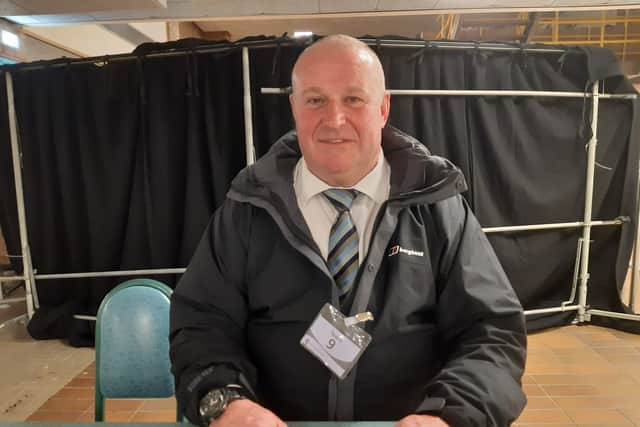
Councillor David Kennedy, leader of the main opposition group on the council, the South Tyneside Alliance Group (STAG), said the group could not approve the Labour budget and associated savings package without being provided with the relevant “level of information […] to assess the real world impact”.
It was noted that information beyond the detail already contained in the medium-term financial plan was not available when requested and Cllr Kennedy said opposition councillors were told that the “savings would be found during the year through the operational decisions”.
“That approach makes it almost impossible for the opposition to assess impact in any meaningful way,” Cllr Kennedy explained.
The opposition leader also referenced the wider national context of funding for councils, stating that the Government’s “so-called fair funding review had not been fair to South Tyneside” and had “abandoned places like it”.
Cllr Kennedy said that the “scale of cuts” South Tyneside Council faces is “not some unavoidable act of nature, but a political choice by the Labour Government” and said there was a “policy that ushers in a fresh era of austerity that will damage our borough for years to come”.
The independent councillor said the STAG group were not opposing South Tyneside Council’s Labour Group budget because they “enjoy conflict” but because “a budget of this scale with this level of impact can’t be responsibly supported on the basis of partial information and deferred decisions”.
There were also concerns about the budget asking South Tyneside residents to “accept paying more for less”, with reductions in school meals subsidies, impacts on women’s health support, cuts to public events and more.
“It’s not enough for cabinet to say trust us, trust has to be built, it has to be earned with transparency, with timely disclosure and with the humility to let difficult plans be properly challenged before they’re locked in,” Cllr Kennedy added.
During the budget meeting, South Tyneside Council’s Green Group attempted to make an amendment to the Labour budget for 2026/27, aiming to deliver “£147,000 of internal savings” through a number of proposals.
This included reducing special responsibility allowances (SRAs) for councillors by 20 per cent, removing 11 vice-chair SRAs, reducing the “civic celebration budget”, “deleting” a cabinet role,”restricting long distance members travel on public transport to the cheapest available option” and more.
The opposition group amendment also aimed to “redirect 20 per cent of Integrated Transport Block funding toward active travel and connectivity” and to “introduce targeted investment in youth services, public health and cost-of-living support”, such as reducing the impact of proposed changes to the school meals subsidy, freezing green waste charges, restoring a green exercise programme and funding one full-time equivalent youth worker.
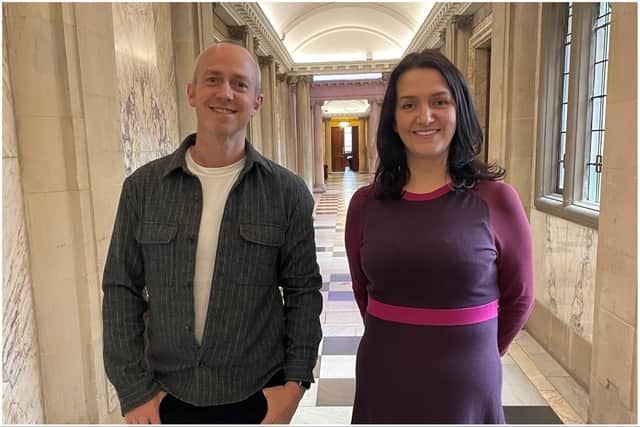
Councillor Rachael Taylor, leader of the Green Group, said the amendment aimed to “put fairness, prevention and community first”.
“This amendment does not deny the financial realities we face, it works within it, it balances the books and it simply makes a different set of choices about where leadership, fairness and long-term thinking should lead us, this is not about party politics tonight, it’s about trust,” Cllr Taylor added.
“It’s about showing residents that when difficult decisions come first we start by asking what is fair, what is responsible and what will make the biggest positive difference to our communities.”
Independent councillor Steven Harrison questioned whether the Green Group amendment could be heard at the budget meeting under procedure rules, due to the proposed changes around cabinet numbers and allowances and resulting impacts on the council’s constitution.
However, Deputy Mayor Cllr Smith confirmed, following legal advice, that the Green Group amendment was allowed to be discussed and that any relevant proposals impacting the constitution would have to be “looked at further down the line after the budget is voted on.”
Councillor Tracey Dixon, leader of South Tyneside Council, also confirmed the budget amendment would still be discussed by the Constitution Committee in coming weeks.
During the budget meeting, there was some criticism of the Green Party’s amendment in terms of the level of savings proposed in the context of the wider council budget and questions about the level of impact it would have.
After being put to the vote, the Green Party amendment failed to win majority support with eight votes in favour and 38 against.
The town hall meeting saw a large number of councillors speak, from Labour councillors defending budget proposals and the scrutiny process underpinning the budget process, to opposition criticism of the Labour Government’s new funding formula for councils and its impact on funding available for South Tyneside.
Councillors from across the political spectrum commented on the budget, from Labour, Green Party and STAG group councillors, to independent councillors not affiliated to any formal group and several members of The Real Independent Councillors group.
Councillor Jim Foreman, the council’s cabinet member for governance, finance and corporate services, said the council had to save £11.6 million to produce a balanced budget for 2026/27 and that proposals were based on information from council officers.
The veteran Labour councillor said cabinet started the budget process for 2026/27 back in June, 2025 and had taken part in dozens of meetings since to develop final proposals, describing the process as “the most painful year I have ever had as a councillor”.
“The way I look at it is we have got to deliver this budget no matter what and my fear is the next two years, £24 million in the next two years, so if we are trimming things to the bone now to survive what is it going to be like in two years time, unless somebody comes up with a magic money tree which I doubt they will,” Cllr Foreman added.
Councillors heard that the council would receive Recovery Grant funding in coming years to offer some relief, but Cllr Foreman said it was “only a small bit of what difference you need to make to the services that we’re going to have, that you need to pay down”.
“I’m not surprised that [the opposition] are against it but my argument in this chamber has always been that whether you’re a Green, an independent or Labour […] you’re only here for one thing and that’s to serve the residents of the borough,” Cllr Foreman added.
“I have presented the budget and I hope that it gets through and it needs to get through because we will be in difficulties if it doesn’t.”
Councillor Tracey Dixon, Labour leader of South Tyneside Council, said it had been a “very challenging 18 months” for the new Labour Government but noted there were positives around extra hours of free childcare, breakfast clubs and free school meals.
On a local level, the council leader said the budget process had been “slightly more challenging due to the uncertainty regarding our fair funding settlement from the Government which we did only receive a couple of weeks ago” but stressed that “effective financial management remains a core responsibility for this council”.
Cllr Dixon said the council would “continue to exercise prudence and implement necessary decisions to maintain financial sustainability over the medium and long-term while remaining aligned to our strategic priorities of financially secure, health and care, employment and skills, housing and neighbourhoods and ensuring targeted support to make things fairer”.
The Labour council leader said “comprehensive lobbying” with council officers had resulted in an “improved financial settlement from the Government” which allowed the council to make “constructive amendments” following feedback on initial budget proposals.
Despite “significant challenges” around meeting the council’s legal obligations under “tightening fiscal constraints”, Cllr Dixon said the council was “advancing its transformation programme”, focusing on prevention and early intervention and using “new technologies to enhance efficiencies and expand service areas for our residents”.
The council leader said the 2026/27 budget was “evidence-based and responsive to the needs of our community”, with “sustained funding” for business and community responders, investment into new children’s homes for care experienced children, and regeneration and transport improvements supplemented by funding secured from sources such as the North East Combined Authority, with some examples including housing at Holborn and the emerging new college campus in South Shields town centre.
“This Labour-led council has consistently operated with ambition, compassion and responsibility [and is] committed to continue to effective working with partners to improve outcomes for the residents of our fantastic borough,” Cllr Dixon added.
“These principles underpin our medium-term financial plan,”
Before the crunch vote on the budget, Deputy Mayor councillor Shane Smith told the meeting that if the budget was not agreed , the local authority’s councillors would have to “come back next week and try again.”
After being put to the vote there was initially a 23-23 tie but the budget was eventually approved by 24-23 following the casting vote of Deputy Mayor, Cllr Smith.