
South Shields schools invited to help with £80,000 native oyster restoration project on River Tyne

The project, backed by the Reece Foundation, aims to restore native oyster stocks, which are locally extinct, back to the North Sea, and will give local students hands-on experience in marine ecology, restoration and environmental engineering.
Schools and colleges in South Shields will be invited to help pioneer a new native oyster restoration project on the River Tyne after a nearly £80,000 funding boost.
Groundwork North East & Cumbria has received funding for an innovative oyster restoration scheme, including an educational programme to give local students practical, hands-on experience in marine ecology, restoration and environmental engineering.
The project is part of a campaign to restore native oyster stocks, which are locally extinct, back to the North Sea.
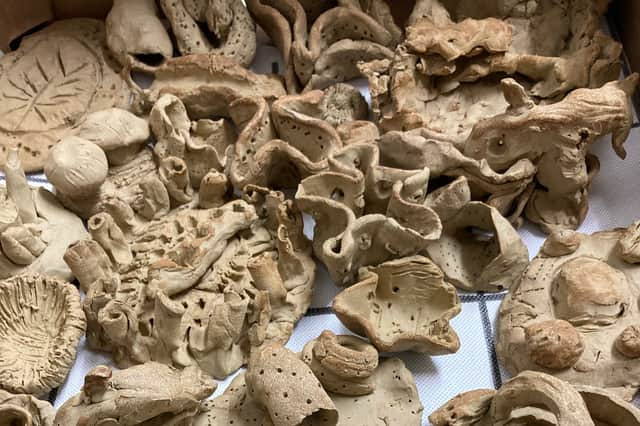
Schools and colleges in North and South Shields are invited to get involved and work with Groundwork’s marine ecology team to trial a new technique for restoring native oysters in an urban setting using specially designed textured-clay settlement installations.
Students from KS2 to college age will help design the installations in workshops exploring the engineering challenges of creating infrastructure for a living, tidal environment.

The completed structures will then be sent to a specialist oyster hatchery, where tens of thousands of juvenile oysters will settle on their surfaces before deployment on the River Tyne.
Pupils will follow the project’s journey from design and manufacture to the oyster hatchery, settlement, installation, and monitoring, fostering a long-term connection with the restoration initiative and giving them an insight into the role STEAM subjects (Science, Technology, Engineering, Arts and Maths) play in solving environmental problems.
This project aims to bring a new form of oyster and habitat restoration to the Tyne estuary, where the species is locally extinct. It will also help reconnect communities with a river that historically supported oyster fattening beds and where old oyster shells can still be found washed up after storms. It will also create a valuable learning platform in engineering and STEAM for young people.
Permission will be sought for the installations to remain as permanent infrastructure after the project, allowing ecological benefits to continue and creating a platform for future monitoring and restoration.
Dr Ashleigh Tinlin-Mackenzie, Marine Ecology Technical Lead at Groundwork NE & Cumbria, said: “This project is a fantastic example of how innovation, education and nature recovery can work hand in hand. Thanks to the Reece Foundation's generous support, we'll be testing an exciting new approach to restoring native oysters in the Tyne while giving young people the chance to take part in a real conservation project on their doorstep.”
Anne Reece, Chair of Reece Foundation, said: “Restoring native oysters in the Tyne is an exciting example of how STEM and environmental innovation can work together to address real challenges facing our natural environment. We’re delighted to support Groundwork NE & Cumbria in trialling this new approach, while giving young people the opportunity to get involved in practical conservation and explore how engineering skills can help shape a more sustainable future for our region.”
Schools and colleges near the mouth of the Tyne in South or North Shields interested in taking part should contact [email protected].