
'Greatest impact' - Large nurdle suction equipment ditched as South Tyneside beach clean enters 'next phase'
The council and partners remain committed to the ongoing recovery operation, with a new approach being used to clear up an estimated 17 tonnes of plastic pellets.
South Tyneside Council says that methods used to clear the borough’s beaches of nurdles “is no longer considered the most effective recovery method” and that a different approach will be used.
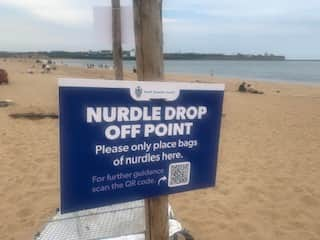
The council and partners “remain committed” to the ongoing recovery operation to clear up an estimated 17 tonnes of the plastic pellets spilled after berthed container ship, BG Orange, collided with offshore support vessel Wind Orca on July 19.
However, a council statement does not reveal how much of the spillage has since been recovered, nor did it say how many people would be working on the response compared to previously.
The response now enters a new phase with recovery methods and resources reviewed and adapted to reflect conditions on the ground, monitoring and expert advice.
The specialist consultancy, representing BG Orange interests, says it is changing the contractor-led recovery approach on beaches.
Specialist contractors Briggs Marine and their subcontractor Nurdle UK have been using large suction equipment.
However, it has been advised that this is no longer considered the most effective recovery method and that work will continue using a different approach, including the introduction of additional local labour to assist Briggs Marine personnel.
A wider recovery operation remains active, with volunteers, local authorities, Port of Tyne, contractors and environmental experts continuing to support recovery activity.

Specialist advice comes from the Scientific and Technical Advice Cell (STAC).
Preparations continue for spring tides which have previously scattered the nurdles wider still, while partners continue to assess, record and weigh recovered material as part of the wider recovery and environmental assessment process.
Stuart Wright, director of Place Strategy at South Tyneside Council, said: “This incident has prompted a significant and sustained recovery effort involving partners from across the region and that work continues.
“As with any long-term recovery operation, methods and resources are being adapted as circumstances change and as we build a clearer understanding of conditions on the ground.
“The response continues to be informed by ongoing monitoring and scientific advice, and partners remain focused on supporting recovery activity where it can have the greatest impact.
“We would like to thank the many volunteers, community groups, local authority teams, contractors and partner organisations who have supported this work. Their contribution has been hugely important and remains greatly appreciated.”