
"Not recoverable" - £40,000 in Housing Benefits overpayments are written off by South Tyneside Council
Some of the debts are "realistically not recoverable" due to debtors disappearing, or being personally insolvent.
South Tyneside Council has agreed to write off debts it is owed after Housing Benefits overpayments to four people totalling over £40,000.

The write-off is for debts ranging from £10,000 to £15,000 per individual, a total of £40,365.91. The council's ruling Reform UK cabinet approved the move at a meeting on November 4.
Three of the four debts were as a result of fraud investigations, the other from "non-declared self-employed earnings".
One debtor had paid off £7,000 of £23,000 before being declared bankrupt. Another debtor owes £10,000 but now lives in South Korea.
The oldest debt is from the period April 2003 to June 2007. The most recent is for November 2006 to July 2015.
Around 5,200 households are currently paid Housing Benefits, by the council on behalf of the Department for Work and Pensions, totalling £35 million in the borough.
Overpayments arise when retrospective adjustments are made to a claimant’s entitlement.
Some debts are "realistically not recoverable" due to debtors disappearing, or being personally insolvent.
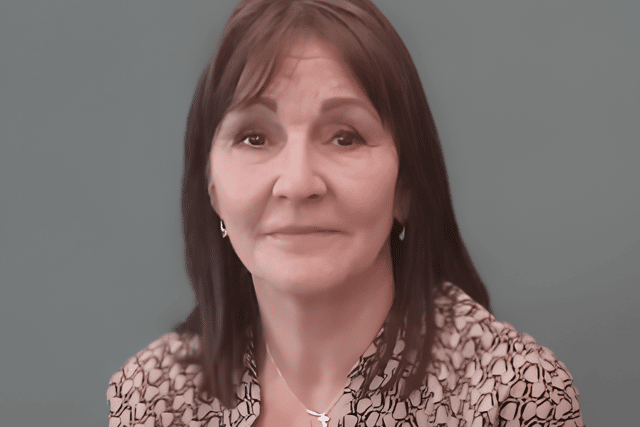
Cabinet member Cllr Karen Pittuck told the meeting: "This (council) report seeks approval to write off a small number of housing benefit or clearance that are considered irrecoverable after all reasonable recovery options have been exhausted.
"These write-offs do not represent a reduction in recovery activity.
"The council currently has 1,732 housing benefit overpayment cases in active recovery, totalling £2.5 million, with the proposed write-offs limited to exceptional cases.
"The debts relate to cases involving circumstances such as personal insolvency, bankruptcy, absconded debtors, unsuccessful tracing activity and overseas residency, where no further recovery action is currently available.
"Writing off these debts ensures the council's accounts reflect sums that are realistically not recoverable. Importantly, write-off does not prevent future recovery and the council can still benefit any insolvency dividends or assets identified at a later date."
Council leader Cllr Paul Mackings confirmed: "The report relates to four housing benefit overpayments, where all reasonable recovery action has been exhausted or no effective recovery can currently be taken."
But he added: "Writing off the balances does not prevent recovery action being restarted should new information become available or circumstances change."
The debt write-offs are undertaken in line with the council’s constitution and financial regulations.
On September 23 the cabinet agreed to write off eight “irrecoverable” business rates debts of more than £144,000, with debts ranged from around £10,000 to £46,588 and the total for the eight reaching £144,139.05.