
Complaints about the conduct of South Tyneside councillors continue to rise, new data reveals
A total of 352 complaints have been made against South Tyneside councillors since January 2020.
Complaints about the conduct of South Tyneside councillors are still on the increase, with 15 new complaints submitted in recent months.
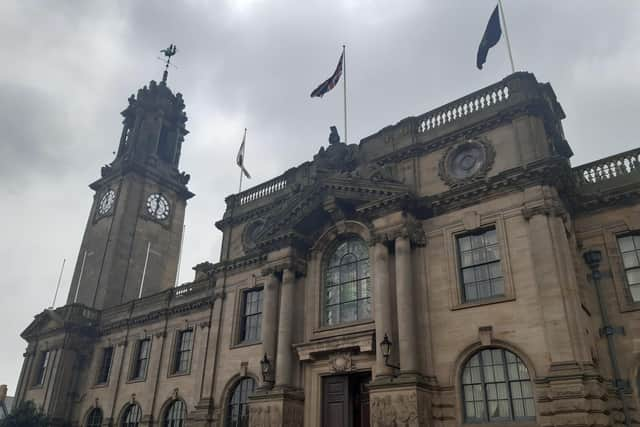

South Tyneside Council’s standards committee regularly monitors and discusses complaints made under the elected members code of conduct.
Although the individual cases are anonymised as the complaints process is confidential, the quarterly data allows the committee and its independent representatives to monitor trends and assess how complaints are concluded.
Since the last meeting of the standards committee on July 6, 2026, there have been 16 complaints concluded and closed and 15 new complaints submitted.
The overall number of complaints since recording started in January 2020 is now 352, and 339 of these complaints have been closed for various reasons.
This included 61 complaints being withdrawn, 25 being subject to informal resolution, 244 being rejected by the council’s monitoring officer and nine complaints being concluded after formal hearings.
In complaints against councillors recorded since January 2020, around 192 were from members of the public, 140 complaints were from councillors complaining about other councillors, 11 were from council officers and nine were classed as ‘other.’
Council documents presented to South Tyneside Council’s standards committee on Monday (September 14, 2026) confirmed there were 12 open complaints.
Of the twelve open complaints, there were five with a formal investigation under way, six complaints “received with evidence” and one complaint involving “concerns raised with monitoring officer with no evidence”.
The open complaints against councillors span over a long time period, with one complaint dating back to 2024 and the remainder received over 2025 and 2026.
A report from local authority chiefs stressed “every effort is being made to process complaints quickly, and specifically to conclude formal investigations”.
Despite 16 complaints being closed since early-July 2026, the council report added that the “level of open code of conduct complaints and the limited use of informal resolution in some cases continue to present challenges for the effective operation of the standards framework”.
It goes on: “While the council’s arrangements remain robust, prolonged complaint processes and the escalation of matters that might otherwise be resolved informally can impact perceptions of the effectiveness of the regime and place significant pressure on the resources and capacity of the legal and governance team.
“Encouraging early engagement and proportionate resolution of complaints, where appropriate, remains an important element of maintaining an efficient and credible standards process.”
The report said Informal resolution must always be considered at each stage of the complaints process and noted the time it takes to deal with complaints can be influenced by “capacity, competing priorities and the responsiveness of those involved and complexity”.
It added that timeframes added to the councillor code of conduct complaints process also aim to “encourage serial complainers to consider carefully making spurious or weak complaints as a political weapon and to ensure the robustness of the evidence they put forward when making allegations of breaches of the code.”
The standards committee update report can be found by visiting South Tyneside Council’s website.