
'There are questions to be answered' - Environment group challenge South Shields plastic spill messaging

An environmental charity have emphasised the importance of clear messaging following the South Shields plastic spill.
A key environmental group have questioned the amount of information released surrounding a major plastic pellet spill.
An estimated 25 tonnes of plastic pellets, known as nurdles, spilled into the river after two ships collided at the Port of Tyne on Sunday, July 19.

Nurdles started washing up on Littlehaven Beach in South Tyneside the following day.
Fidra, an environmental charity working to reduce plastic waste have emphasised the importance of clear messaging after a Port of Tyne statement on Tuesday morning said three containers of nurdles were impacted.
Two of these saw spillages into the water, while another was damaged, but Port of Tyne say no contents were spilled from the third container.
“We found out from a source it was one container” said Heather McFarlane, Senior Project Manager at the charity.
“But now it seems that it’s two and a bit.”
Fidra have previously said the pellets may carry a risk of E.Coli and other contaminants and pathogens.
“What we think it important is there are initial efforts to contain this spill” added Heather.
She added what is then needed: “Clear advice and guidence to communities, especially on clean up if it’s safe to do so and getting communities involved in the response.”
“The initial focus needs to be on containment” continued Heather.
“In this instance there are questions to be answered because it left the port.”
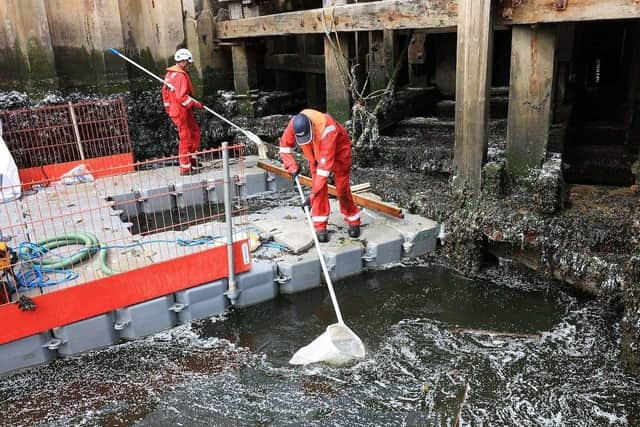
Port of Tyne teams confirmed any leaks have now stopped. Teams are working to clear the plastic near the port.
Fidra are now looking to the near future: “We also need a longer term plan It’s been over a week since the spill happened” added Heather.
“It’s only been in the last day we’ve seen Councils put out guidence for volunteers on how they can help,” referencing North Tyneside Council, which has given advice on how to safely clear the borough’s beaches.
“Communities need a voice in the decision making” she continued.
“I’ve heard reports that communities have found it confusing that the beaches are open, but they’re being told not to handle the pellets, but also that they aren’t toxic.”
A joint frequently asked questions document from North East councils say the ‘do not handle’ advice is to allow clean up teams to properly count the number of nurdles collected. This will allow authorities to fully understand the impact of the spill.
Heather said: “I think there are some lessons that could be learned about how and when to communicate, especially with the communities impacted.”
“It’s really important we have clear messaging from all authorities involved so it’s clear what the message is.”
A spokesperson for the Port of Tyne said: “Communications from the Port and from a coordinated group involving key stakeholders has been clear, concise and provided at key points of this ongoing, complex operation.
“Stakeholders have worked together to ensure communications are managed across the local authority areas and the Port has gladly contributed to that.
“We have produced regular communications to the public via our website and media, and will continue to do.”