
North East beach goers warned about invasion of venomous fish after spate of sting incidents

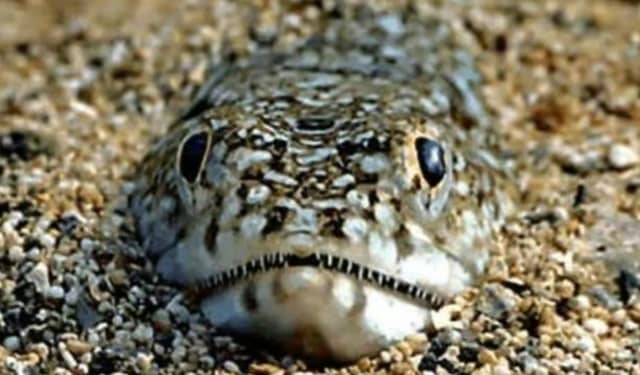

Ahead of the bank holiday weekend, beachgoers have been warned about the danger of being stung by the venomous weever fish after reports of an invasion of the species along North East beaches.
The venomous fish are indigenous to the UK coastline but unusually high sea temperatures has led to an invasion of the species in prolific numbers along the North East coastline with an increasing number of people being stung.
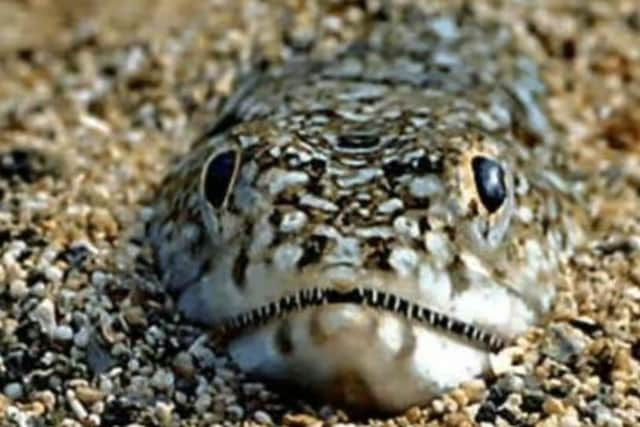
Weever fish hide camouflaged in the sand in shallow water. They have sharp spiny backs which can puncture the soles of the foot before injecting a poisonous venom.
The Royal National Lifeboat Institution (RNLI) issued the warning of weever fish on England's north-east coast from Teesside up to Tynemouth.
The RNLI confirmed it had "seen an increase in the number of incidents involving weever fish this summer" along North East beaches.
A warning has also been issued to the region’s beachgoers by Tynemouth Volunteer Life Brigade.
In a post on social media a spokesperson said: “Weever fish warning; we’ve had reports of a large number of weever fish spotted along the region’s beaches recently.
“In the last few days the RNLI Lifeguards have helped a number of people who have been stung.
“These small fish hide in the sand in shallow water and can give a very painful sting if stepped on.”
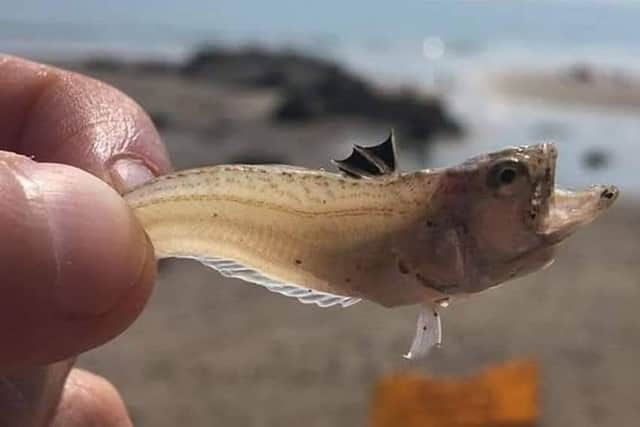
Tynemouth Volunteer Life Brigade have also issued advice to avoid being stung and what to do if you are.
The spokesperson added: “Wear beach shoes or sandals when paddling and shuffle your feet in the sand rather than stamping down.
“You should be extra cautious in shallow, sandy areas. If stung, soak the affected area in hot (not scalding) water to help relieve pain, ensure the spines are not stuck in the foot and seek medical advice if required.
“The RNLI lifeguards are on the beaches and are happy to help you if required.”
Weaver fish are generally around 18cm long and burrow into the sand to hide from predators.
A number of people responded to the post with stories of being stung or encountering them on the region’s beaches.
One fisherman said: “This week I caught five just off South Shields beach. Two weeks ago I caught 11 in three drops. I've fished North East waters since 2017 and never caught one before. So currently there very prolific.”
Another poster said: “I was in Druridge Bay on Wednesday (August 20) and the beach was covered in them.”
One person who had been the victim of a sting said: “I got stung at Alnmouth beach. They have sharp bits on their fins which are extremely painful. The sting burns really bad. Hot water and antihistamine is the best treatment.”