
'I was named after the Normandy Landings': South Tyneside man's incredible family history
A South Tyneside man has shared the story of how he got his name - and how it originated on the beaches of Normandy.
Norman Dunn proudly looked back on the life of his uncle George Dent who played an important role in France the day after D-Day.


‘A tall man and a very good athlete’
George, a ‘tall man and a very good athlete’ who looked like John Wayne, was helping to install the Mulberry Floating Harbour off the beach in Normandy, said Norman who is a keen historian.
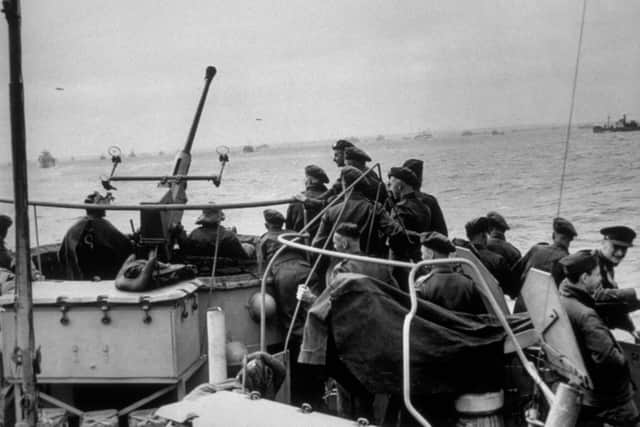
‘Three weeks later, on June 27, I was born and that is why I was given the name Norman.’
But uncle George had even more of a story to tell from the war and Norman told us more.
‘Uncle George clearly saw the pilot wave’
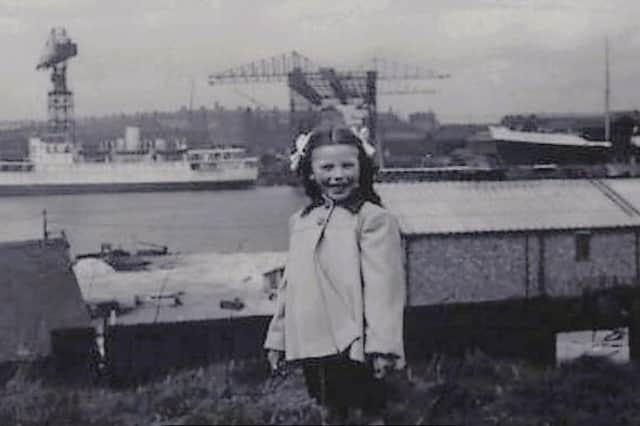
‘On July 2, 1940, Uncle George was in the garden and heard the ominous sound of a large aircraft coming from the Bill Quay area. It was a German Dornier Bomber flying low over the river avoiding being shot down.
‘As it flew past level with the garden Uncle George clearly saw the pilot wave. Thinking about it all these years later, the German pilot was under orders and just doing his job the same as our RAF men bombing Germany.’
Norman recently learned that the Luftwaffe pilot’s mission was to destroy the Tyne’s three Bridges’ (King Edward, High Level and Tyne Bridge) using high explosive bombs.
13 workers died in the raid by the Dornier
Two bombs went into the river, another hit Hawthorn Leslie’s Engineering works on Forth Banks and another hit the ‘Spillers Flour Mills’ killing 13 Spiller’s workers.
‘The Dornier then headed down river and flew past ‘Tyne View Terrace’ in Hebburn to evade our guns. It dropped three bombs on Jarrow killing 14 and injuring 120.
‘Most casualties occurred in Princess Street. The Dornier then reached South Shields, where our guns shot it down.’

We want your family stories
George Dent was a time served joiner who worked for JM Black building contractors in Glen Street.
He married Esther McNeill who was the daughter of Jane McNeill, who was Norman’s great aunt.
She lived in a property in Tyne View Terrace which had previously belonged to a company which manufactured soda crystals, soda ash, sulphuric acid, salt cake, washing soda and bleaching powders.
Our thanks go to Norman for an incredible look back at his family history. We would love to hear from other people with a fascinating heritage to share.
Email [email protected] to tell us more.