
South Tyneside council chief sets out £3.6m road repair plans after 3,522 pothole reports last winter
Councillor Karen Pittuck, Lead Member for Highways, Neighbourhoods and Community Safety at South Tyneside Council, outlines her plans to tackle the scourge of potholes in our latest On The Agenda column.
You could be forgiven for thinking the television cameras arrive for the Great North Run and we suddenly rush out to fix John Reid Road.
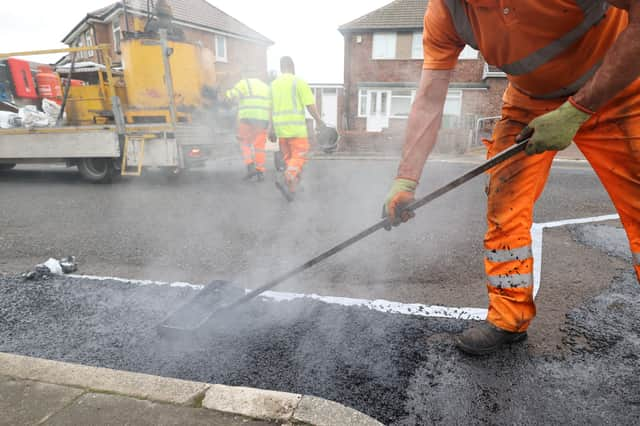

It is a claim we hear quite often, but the truth is less dramatic. John Reid Road is a key route in and out of the Borough, so keeping it safe and well maintained matters all year round. Any work carried out there forms part of our wider highways programme. It is planned in advance and based on the condition of the road and the work it needs.
With winter on the way, this is a good time to explain how we look after roads across South Tyneside.

The scale of that job may surprise you. We have more than 600km of road network to inspect and maintain. To put that into perspective, laid out end-to-end, that’s roughly the equivalent of travelling from South Shields Town Hall to Ghent in Belgium.
Looking after a network of that size takes a great deal of planning. Our teams do not simply wait for a pothole to appear and then fill it.
Roads are checked through machine-based surveys and visual inspections, with that information analysed through specialist modelling software. The results help us decide which roads need attention, what type of work is best and when it should be done.
Sometimes the right answer is to resurface a whole stretch of road. In other places, we may carry out targeted patching, replace damaged concrete bays or use treatments that protect the surface and help it last longer.
We also have a higher proportion of concrete roads than many other areas. Replacing damaged concrete sections can be costly, so we have to plan this work carefully alongside the needs of the wider road network.
We also try to coordinate our programme with other roadworks and utility companies. This helps reduce disruption and, where possible, avoids a newly improved road being dug up soon afterwards.
Potholes are, understandably, one of the things residents notice most, and I understand how frustrating they can be.
Not every defect needs the same solution. An individual repair may be enough in one place, while another road may need wider patching or resurfacing. Our teams assess each problem and decide on the safest and most suitable treatment.
Last winter was especially difficult. Long periods of wet weather and low temperatures damaged road surfaces. Between December and February, we received 3,522 pothole reports, that is double the number recorded during the same period the year before. That’s why our current programme includes specialist patching in areas that were badly affected.
But fixing potholes is only one part of the picture.
Last year, around £4 million was allocated to highways maintenance. This helped us deliver 43 road resurfacing schemes, 12 patching schemes and 15 concrete bay schemes. Our teams also repaired more than 8,200 potholes.
That investment is continuing. For 2026/27, we have allocated £3.6 million for roads and patching, with a further £900,000 revenue budget supporting highways maintenance. This year’s programme is under way, with 44 road schemes and 12 concrete bay replacements planned across the Borough.
Within the overall funding for this year is a further £837,000 from Government for roads, following £803,000 in 2025/26.
Looking after a road network of this size is a year-round job. Traffic, rain, frost and changes in temperature all take their toll, with winter inevitably bringing additional pressures. That is why we need to do more than react to problems as they appear.
Planned resurfacing, patching and preventative treatments help us make the best use of the money available. They also help roads last longer and reduce the need for more costly work later.
There will always be more to do across a road network of this size. But I hope this gives residents a clearer picture of the planning, work and investment that take place throughout the year, whether the cameras are here or not.