
South Tyneside finance chief defends move to hike council tax after facing difficult job
South Tyneside residents could face a 4.95 per cent council tax rise next year under new budget plans revealed by town hall bosses.
South Tyneside Council has published its latest spending plans for the 2025/26 financial year as part of its medium-term financial plan, which includes setting annual council tax levels.
Central Government assumes local authorities across the country will raise council tax bills from April, 2025, to help fund local services.
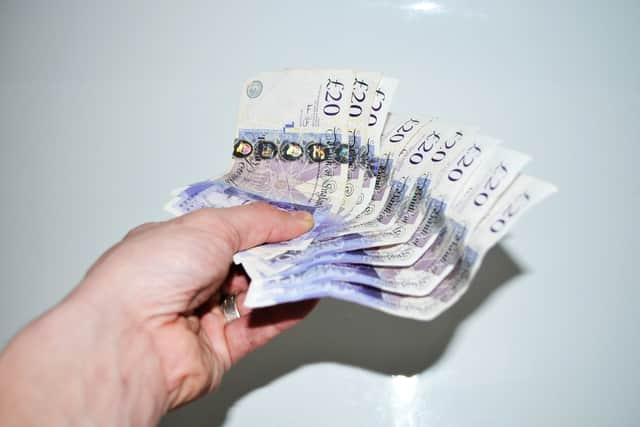

Proposals due to be discussed by councillors in coming weeks propose an overall increase of 4.95 per cent for South Tyneside taxpayers split between two areas.
This includes two per cent linked to the Government’s adult social care levy, ring-fenced for those services, and 2.95 per cent linked to core council tax. The maximum increase without special government permission, or a referendum, would be 4.99 per cent.
Senior councillors said the proposed increase for council services, if approved, would equate to an extra £1.22 per week for an average Band A household, into which the majority of borough households fall.
South Tyneside Council is also continuing its council tax support scheme which provides reduced bills to around 12,500 working-age residents, offering up to 90 per cent discount for those that need support the most, as well as continuing work around the cost-of-living crisis and subsidising key services.
Councillor Jane Carter, cabinet member for finance, governance, and corporate services, stressed the council tax rise was needed to sustain services for residents.
Cllr Carter said: “Balancing the budget is difficult for any council and that is why we must ensure that the limited finance and resources we do have is targeted at supporting those who need the vital safety net we provide.
“Our services protect those in need and deliver essential services such as street lighting, bin collections, maintaining the roads and cleaning the streets.
“But we also provide support to older people, people with disabilities and looked after children in care.
“The cost of adults and children’s social care accounts for 70 per cent of the council’s discretionary budget so balancing the budget and protecting essential services becomes harder every year.
“Historically, keeping fees among some of the lowest in the region has, over time, created additional financial pressures for the council.
“When we have made small rises to cover some of the cost of delivering services we’ve done it in a considered way.
“We know that some of our residents face financial difficulties. That is why we are determined to keep costs as low as possible and will continue to subsidise many services.”
Council tax proposals, including the breakdown for different bands of properties across South Tyneside, will be discussed at an annual budget meeting at the end of February, 2025.
The final council tax bill issued by the council will also include separate amounts levied by other bodies towards police and fire and rescue services.
South Tyneside Council collects these ‘precepts’, with levels due to be decided separately by the region’s Police and Crime Panel and Fire Authority before being reported back to councils.
The final council tax table setting out what South Tyneside residents are expected to pay for different property bands will be published in budget papers for a crunch budget meeting on February 27, 2025, when councillors will vote on spending plans.
Even with a 4.95 per cent council tax increase in 2025/26, council finance chiefs predict South Tyneside will still offer one of the lowest levels of council tax in the North East for the ‘average household’.
South Tyneside’s council tax rise falls against a backdrop of cuts to council revenue spending, with the council having to make savings of around £13.1 million in 2025/26, as well as using around £600,000 in reserves to balance the books.
Proposed savings for next year are on top of the £208 million the council has already had to save since 2010 due to large reductions in Government funding, and even more spending cuts are predicted in future years.
In addition, the council continues to face increased pressures around adult and children’s social care, which account for some 70 per cent of the council’s discretionary budget.
Senior councillors have previously called for more sustainable funding from Central Government and raised concerns about the current system of local government funding.
This includes the limitations around generating council tax income in areas where large proportions of properties have the lowest Band A value, compared to areas with higher property values.
Around half of South Tyneside Council’s revenue income comes from council tax and the council has been lobbying for adult social care services to be supported via Government grants, rather than via the existing Government social care levy.
Although the Government has established an independent commission to transform adult social care which will consider the formation of a National Care Service, this “is not due to be fully completed until 2028”, according to council budget documents.
Council budget documents add that “recent Central Government announcements, including the recent provisional settlement and economic forecasts, indicate that future funding for councils within the lifetime of this parliament will remain very tight”.
However, it was noted that the “new Government’s intention to move towards a longer-term funding settlement from 2026/27 onwards will allow us to take a much more informed and longer-term approach to our financial planning.”
Until councils have other ‘levers to pull’ to raise income, town hall bosses say council tax will remain a core part of council budgets to keep services moving.
Cllr Carter added: “I think there are moves to lobby Government on the funding mechanism around council tax, whatever that will bring in the future.
“But we have to raise council tax again next year to continue to deliver the sustained services to the residents, particularly those who are facing very significant financial difficulties.
“I think we try and counteract that increase with the council tax reduction scheme, which the most vulnerable can apply for.”
If the draft medium-term financial plan is agreed by South Tyneside Council’s cabinet, it will be considered by the borough council on Thursday, February 27, 2025.
To find out more about the council’s budget, go to www.southtyneside.gov.uk