
South Shields nurdle spill: What we know so far about the Port of Tyne crane collapse

Almost ten days have passed since a collision in the River Tyne resulted in an estimated 25 tonnes of plastic pellets being spilled into the sea. This is what we know so far.
Over a week has now passed since the incident which resulted in plastic pellets washing up on beaches across South Tyneside and beyond.
Information about the initial incident and the clean up operation is still being updated regularly, as is the advice from local authorities and environmental groups.
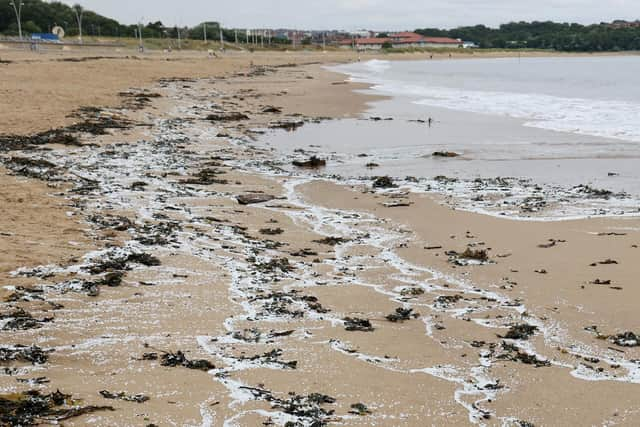

Starting from the day of the incident, this is everything we know about the situation.
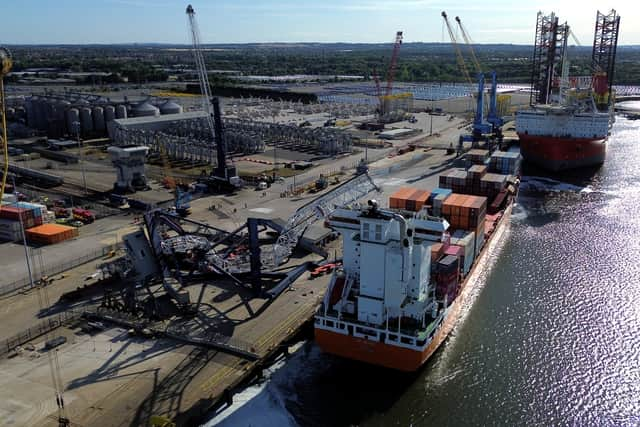
Emergency services were called to the Port of Tyne following reports of a ship colliding with a crane at around 1pm.
A man was taken to the Royal Victoria Infirmary in Newcastle after sustaining “injuries not believed to be life-threatening” according to Northumbria Police.
The Port of Tyne said their team would “cooperate fully” with any investigations surrounding the incident.
The same day a spokesperson for the Port of Tyne gave more information about the incident, saying: “the vessel Wind Orca was leaving dock when it was in collision with the berthed container ship BG Orange.
“Subsequently, a gantry crane on the Port’s quayside sustained significant damage.”
The following day, Monday, July 20, white plastic pellets began washing up on beaches across South Tyneside, most notably Littlehaven Beach. South Tyneside Council advised the public to not handle the pellets and to keep dogs away.
It was thought the pellets fell into the sea following the weekend’s collision - something which has since been confirmed.
These pellets are melted down to create everyday plastic items such as bottles.
On Tuesday, July 21, Fidra, an environmental group working on plastic waste and chemical pollution, said the pellets which are also known as nurdles, carry an E.Coli risk.
The same day saw confirmation a clean up effort launched, with South Tyneside Council saying they were working with the Port of Tyne and the Environment Agency alongside specialist contractors to assess the extent of the problem and begin removing nurdles.
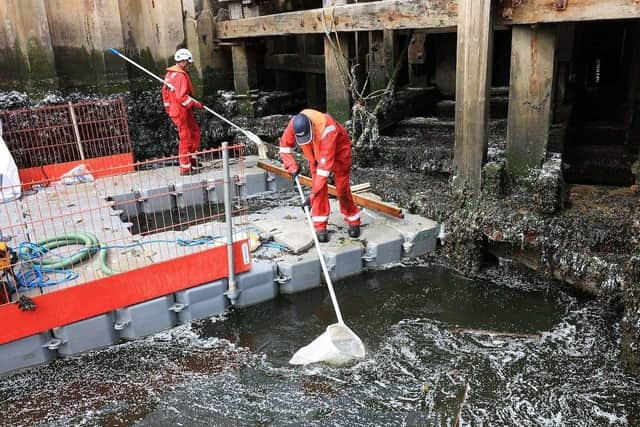
South Tyneside Council added its team will look to recover the costs of the clean-up “from the insurers of those responsible.”
Wednesday, July 22 saw access reopen for boats on the River Tyne, with a restriction radius placed around the Port of Tyne where the initial incident happened.
The Port of Tyne stated that cleaning up the plastic pellets “cannot be hurried.”
South Tyneside Council estimated 25 tonnes of pellets were spilled into the Tyne.
Matt Blair, South Tyneside Green Party councillor for West Park, branded the spill as a ‘disaster’ and highlighted the impact that it could have on the local wildlife and environment.
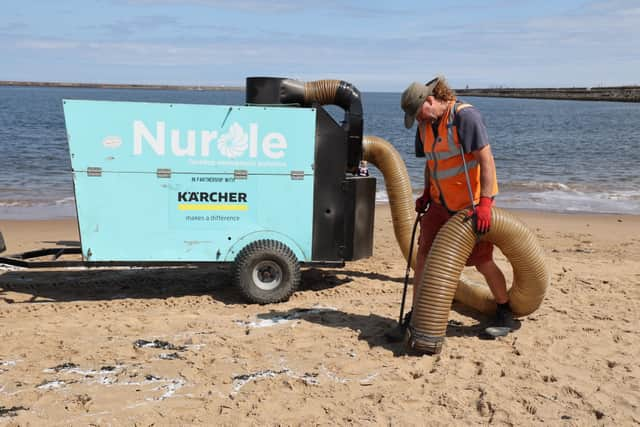
On Thursday, July 23 a specialist clean up company, also named Nurdle, began work with their expert equipment.The team are aided by South Tyneside Council in the hope for a quicker clean up process.
Thursday also saw the Environment Agency has vow to carry out a “thorough investigation” to establish the circumstances surrounding the nurdle spill and pledge that the “polluter pays” principle will see those responsible covering the cost of the clean up operation - a principle which was further highlighted by North East Mayor Kim McGuinness.
On Tuesday, July 28 the Port of Tyne explained more surrounding the full extent of the spillage after they stopped further pellets going into the Tyne from a third container. Two containers were confirmed to have “split open” while a third was damaged, but did not see any spillage.
On Wednesday, July 29 the Port of Tyne said it will close access to the river to allow space for the BG Orange vessel to be safely removed from the crane.