
Pub or Sunday school. The intriguing choice which had South Shields people debating
A battle royal broke out in South Tyneside and it was all over a possible new pub.
There were campaigners fighting on both sides at a public inquiry back in February, 1959.
On one side, there were those who wanted a pub.
Pub, post office or Sunday school
On the other, there were 12 people who were objecting to plans to transfer a licence from the High Station Hotel, in Laygate Lane.
It would be transferred over to a new premises which was going be built between council and private houses in the Bamburgh Avenue area in South Shields.

"A waste of time and materials, " was how one campaigner described the proposal.
And he had his own ideas on what should be there instead of a pub.
The council house which hit the headlines
He told the public inquiry: "The needs of the community would be better served by building a post office, a chemist’s shop or a Sunday school."
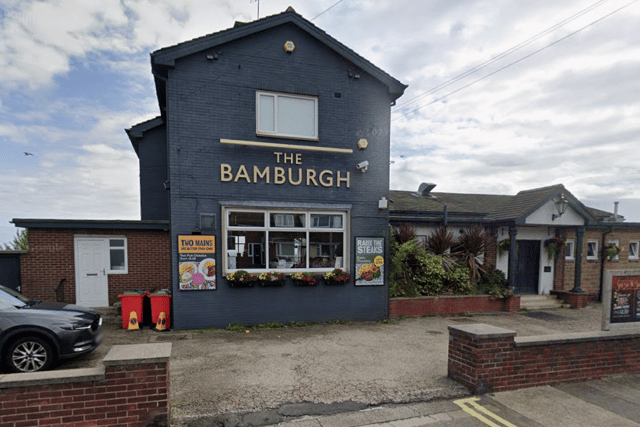
In the end, it was the people who wanted the pub who won the day and the Bamburgh pub was built.
But this was not the only building development which got our attention back then.
A house in Horsley Hill Road was in the headlines even though it wasn’t any different to other two-bedroom bungalows in South Shields.
7,000th house since the war
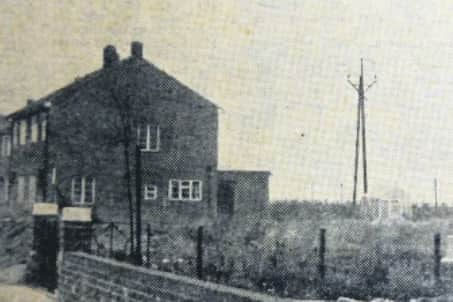
It had the distinction of being the 7,000th house built by South Shields Corporation since the end of the Second World War.
Between 1921, when the first council house was built in South Shields, and 1939, only 4,413 corporation properties were built.
But after 1946, houses were built by the council at an average rate of 580 a year